The first visit is usually an assessment, not an instant bracket-fitting appointment. You will move through records, diagnosis, preparation, fitting, adjustment visits and retention, with different decisions at each stage; knowing the sequence helps you prepare questions and compare treatment estimates.
Key takeaways
- The first appointment usually includes examination, records and an estimate—not brace fitting.
- Ask whether X-rays, photographs and a written treatment plan are included.
- Expect soreness after fitting and protect brackets by avoiding hard, sticky foods.
- Budget for retainers and follow-up care when comparing braces estimates in Dwarka.
What happens at the first braces appointment?
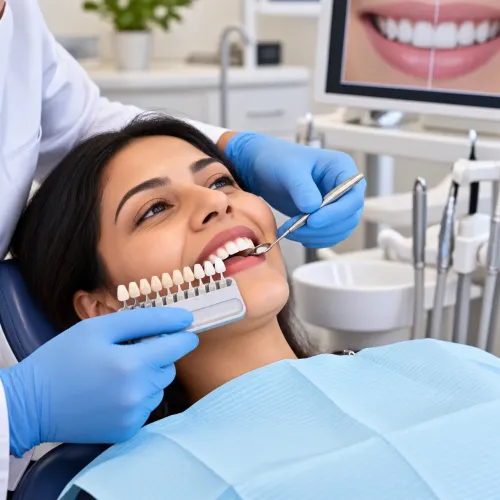
The first braces appointment is usually an assessment, not a fitting. The braces appointment process takes you from arrival through examination, records and a treatment estimate; the braces treatment process in Dwarka may start at a later visit.
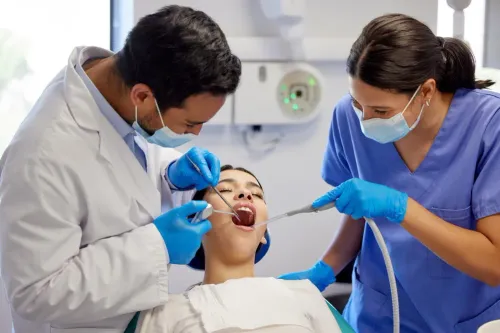
1. After arrival, the orthodontist asks about your goals, previous dental treatment and concerns such as crooked teeth, chewing difficulty or jaw discomfort.
2. The examination covers tooth position, existing fillings or crowns, gum health, jaw relationship and how the upper and lower teeth meet. The bite assessment checks for crowding, spacing, rotated teeth, overbite, underbite, crossbite and open bite.
3. Records may include intraoral photographs, a panoramic X-ray showing all teeth and their roots, a lateral cephalometric X-ray showing the side-view relationship between the teeth, jaws and facial profile, and a digital impression or intraoral scan showing the dental arches in three dimensions.
Photographs document visible tooth and gum conditions; X-rays reveal roots, developing or impacted teeth and jaw relationships; scans map tooth positions for planning. A scan or X-ray is evidence for planning, not a diagnosis by itself—the orthodontist interprets it alongside the examination.
4. The consultation should cover your preferred result, likely appliance, possible space creation, estimated treatment duration, expected number of visits, discomfort and risks. Ask whether the estimate includes records, X-rays or scans, fitting, adjustments, repairs, extractions, removal and retainers, and whether treatment starts that day or at a later appointment.
How does the orthodontist decide whether braces can start?
Brackets can start only when the teeth, bite, jaw growth and gum support make movement safe; appearance alone is not enough. The orthodontist reviews the examination and records before deciding whether treatment can begin now.
| Finding | What must happen before fitting |
|---|---|
| Active cavity or infected tooth | Restore or treat it first |
| Uncontrolled gum disease or heavy plaque | Improve gum health and cleaning |
| Impacted tooth or retained baby tooth | Investigate its position and plan its management |
| Damaged tooth or significant jaw discrepancy | Assess prognosis, sequence or referral |
Crowding does not automatically mean extraction. Space can sometimes come from limited arch development, interproximal reduction between selected teeth, or controlled movement within safe limits. Extraction enters the plan when the required space or tooth position cannot be achieved predictably without it.
An impacted tooth, severe crowding or a significant upper-and-lower jaw discrepancy can change the sequence. You may need additional treatment, a referral, or a different appliance. The orthodontist also decides whether fixed braces, elastics, springs or other attachments are appropriate.
Straightforward treatment can finish sooner than the usual estimate of about 18 months to two years. Impacted teeth, severe crowding and jaw discrepancies can extend it; the quoted duration is not a guaranteed finish date.
Consent should cover soreness, white-spot lesions, decay, gum inflammation, recession, root resorption, relapse and rare pulp damage. Before fitting, ask:
- What diagnosis do my records show?
- How will you create or manage space?
- Do I need treatment for cavities, gums or impacted teeth first?
- Which appliance, attachments or elastics will I need, and why?
What happens when fixed braces are fitted, and how do they work?
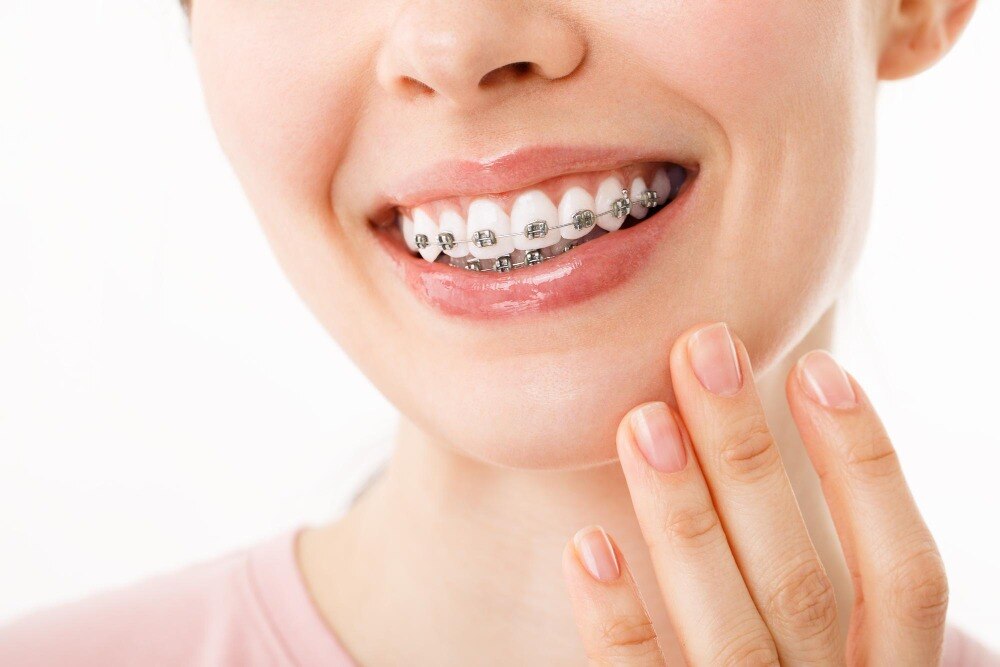
Fixed braces are fitted by bonding brackets to each tooth, then connecting them with an archwire. The clinician cleans and dries the enamel, isolates the teeth from saliva, positions each bracket and applies dental adhesive. An archwire is threaded through the brackets and secured with clips or elastic modules.
The wire ends and bracket positions are checked to reduce unnecessary cheek rubbing. Injections are not normally needed.
This is how braces treatment works: brackets transfer low, sustained forces from the archwire to the teeth. The periodontal ligament and surrounding bone remodel around each tooth, allowing gradual movement; the tooth is not pulled directly through solid bone. Fitting usually feels like pressure rather than sharp pain.
Tenderness when biting, general pressure and cheek irritation commonly appear over the next few days. Choose softer foods, follow the treating clinician’s pain-relief advice and place orthodontic wax over a bracket or wire that rubs.
Elastic modules and prescribed orthodontic elastics perform different jobs:
| Type | Job | What you should do |
|---|---|---|
| Elastic modules | Hold the archwire inside each bracket | Leave them in place and let the clinician replace them |
| Inter-arch elastics | Create a planned force between the upper and lower teeth | Wear them in the exact configuration and schedule prescribed |
Never change an elastic configuration, use a different hook or stop early without instructions. That changes the planned force and can extend treatment.
What happens after getting braces between adjustment visits?
After braces are fitted, daily care protects the brackets, wires and gums between visits. During the first week, brush around every bracket with fluoride toothpaste, clean beneath the archwire with an interdental brush or similar aid, and follow your clinician’s fluoride advice.
Cut hard foods into small pieces. Limit sticky or chewy foods because they can bend wires, loosen brackets or damage attachments. For sports, wear a mouthguard suitable for fixed braces and ask the clinic which type fits your appliance.
Follow-up visits often occur every four to 10 weeks, depending on the appliance and treatment stage. The orthodontist checks tooth movement, gum health and bite, then changes wires, elastic modules or prescribed elastics.
| Situation | What to do | Why it matters |
|---|---|---|
| Loose bracket or poking wire | Cover the sharp area with temporary orthodontic wax and contact the clinic for instructions | Do not glue, bend or remove the component at home |
| Prescribed elastics | Wear them in the exact arrangement and schedule provided | Occasional or incorrect wear reduces the planned force and can lengthen treatment |
| Missed adjustment visit | Rearrange the appointment promptly | Damaged or unchanged components can remain ineffective and extend treatment |
| Facial trauma, rapidly increasing swelling, fever, uncontrolled bleeding, or difficulty breathing or swallowing | Seek urgent dental or medical assessment | These signs require more than routine orthodontic care |
A loose bracket or rubbing wire is usually an appointment issue, not a medical emergency. Replacement elastics should follow the orthodontist’s instructions.
How does braces treatment finish, and what should a Dwarka estimate include?
Progress reviews assess tooth alignment, bite contacts, root position when indicated, gum condition and whether the planned result is being reached. Near the end, the orthodontist makes finishing adjustments, confirms that the upper and lower teeth meet properly, then removes the brackets and adhesive.
Bracket removal is not the end. Teeth naturally tend to shift after active movement, so you will normally receive a removable retainer, a fixed retainer, or both. The wear schedule varies, but long-term or lifelong maintenance is commonly advised to protect the result.
A written braces treatment Dwarka estimate should identify what is included:
| Estimate item | What to confirm | Why it matters |
|---|---|---|
| Records | Photographs, X-rays, digital scans or impressions | Missing records can create separate charges |
| Active treatment | Fitting, adjustment visits and replacement of damaged components | A low fitting fee may exclude routine appointments or repairs |
| Preliminary care | Extractions, fillings, gum treatment or other procedures | These can delay fitting and change the total |
| Completion and retention | Bracket removal, adhesive removal, retainers and post-treatment reviews | Retention costs continue after active treatment |
Ask whether the estimate covers replacement retainers and fixed-retainer repairs. Dr Pooja Dental & Implant Centre can be compared with other providers using these questions, not just the headline fitting fee.
Your diagnosis and appliance govern the clinical sequence. A Dwarka address does not change tooth biology, treatment duration or the need for retention.
Related service
Braces Braces Unlock your best smile with professional Orthodontic Braces at Dr. Pooja Dental & Implant Centre. |
Frequently asked questions
What happens at the first braces appointment?
The orthodontist examines your teeth and bite, discusses your concerns, and may take photographs, X-rays or dental impressions. You then receive treatment options, expected timelines and an estimate.
How does the orthodontist decide whether braces can start?
The orthodontist checks your teeth, gums, jaw relationship, oral hygiene and any required dental treatment. Cavities, gum disease or impacted teeth may need attention before braces begin.
What happens when fixed braces are fitted, and how do they work?
The orthodontist cleans and dries your teeth, bonds brackets to their surfaces, places the archwire and secures it with ligatures or clips. The wire applies controlled force that gradually moves teeth.
What happens after getting braces between adjustment visits?
You clean around brackets carefully, follow food restrictions, attend scheduled adjustments and contact the clinic if a wire or bracket breaks. Mild tenderness after fitting or tightening is common.
How does braces treatment finish, and what should a Dwarka estimate include?
The orthodontist removes the brackets, cleans the teeth and provides retainers to hold their new positions. Ask whether the estimate includes records, adjustments, emergency repairs, removal, retainers and follow-up visits.
Keywords