Losing most or all teeth can affect eating, speech, facial support, and everyday confidence. Full mouth implants in Dwarka are one possible rehabilitation option for selected patients who want to explore a more fixed approach than conventional removable dentures.
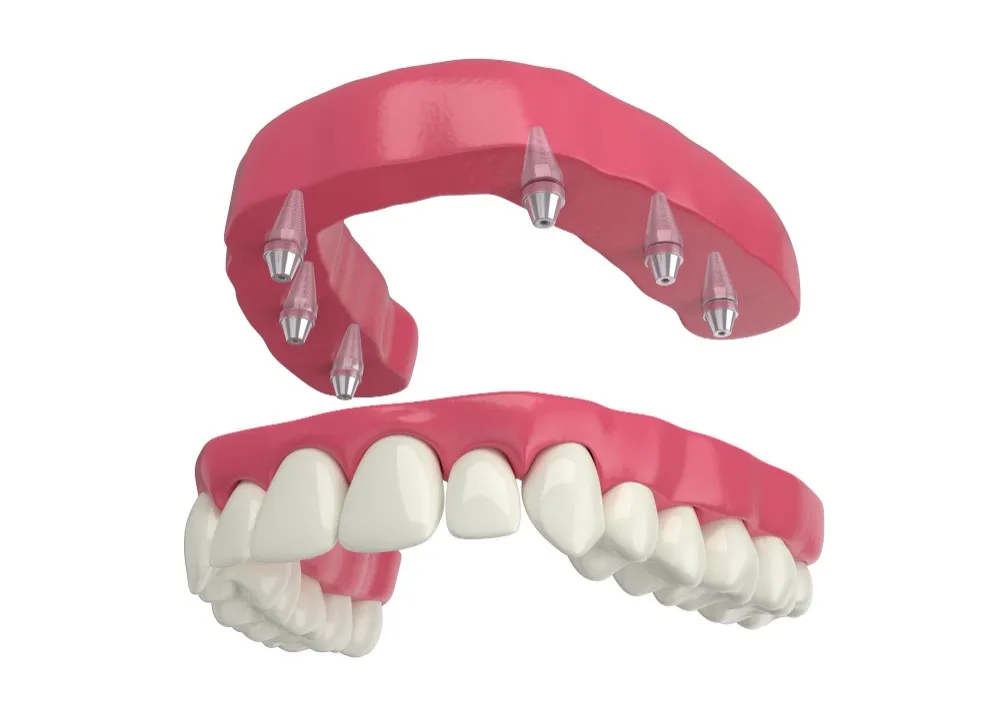
Full-mouth implant treatment does not necessarily mean placing one implant for every missing tooth. Depending on bone availability, bite, anatomy, prosthetic design, and other clinical factors, strategically positioned implants may support a fixed bridge or an implant-supported removable prosthesis.
Who May Consider Full-Mouth Implant Treatment?
A detailed dental assessment is required, but full-mouth rehabilitation may be discussed when a person has:
- Many missing teeth
- Severely damaged teeth with a poor restorative prognosis
- Difficulty managing conventional removable dentures
- Reduced chewing ability due to extensive tooth loss
- A need for comprehensive upper or lower arch rehabilitation
Having missing teeth alone does not automatically make someone suitable for implant treatment. Gum health, jawbone condition, general health, oral hygiene, smoking status, medications, and expectations all influence planning.
What Happens During the Assessment?
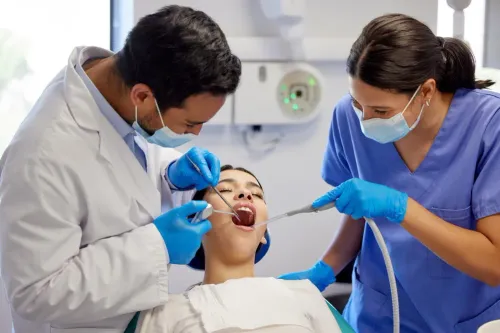
The first stage usually involves understanding what can be preserved and what genuinely needs replacement. Remaining teeth are assessed individually rather than assuming that every tooth should be removed.
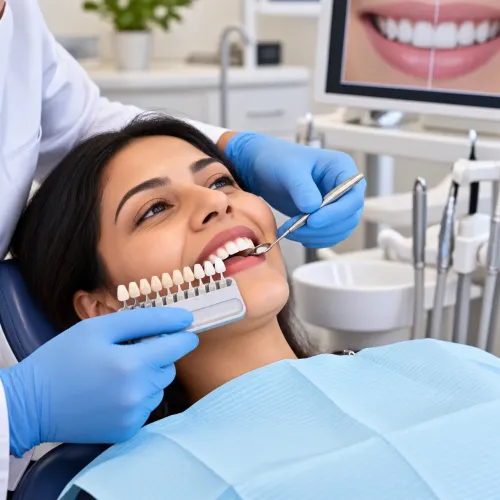
Clinical examination may be combined with X-rays and, when indicated, three-dimensional imaging. The dentist may evaluate:
- Bone quantity and quality
- Gum condition
- Remaining teeth
- Jaw relationships
- Bite pattern
- Available restorative space
- Smile and facial proportions
This information helps determine whether implants are appropriate and what type of prosthesis could be considered.
Fixed and Removable Implant-Supported Options
Patients sometimes use 'full mouth implants' to describe several different treatments.
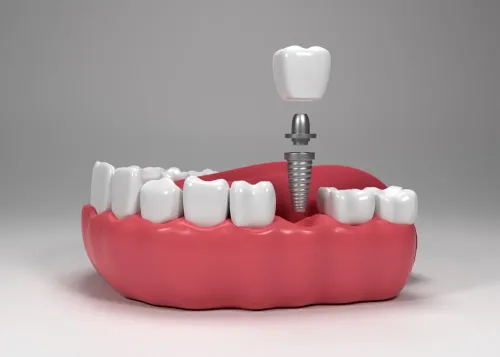
A fixed implant-supported restoration is attached to implants and is not routinely removed by the patient. It can replace a complete arch of teeth while relying on several implants for support.
An implant-supported removable denture, sometimes called an overdenture, can be removed for cleaning but gains additional stability from implants.
Neither option is universally better. The suitable approach depends on anatomy, hygiene needs, finances, restorative space, expectations, and the clinical condition of the mouth.
Does Everyone Need Bone Grafting?
No. Bone grafting may be necessary in some cases but not in every case.
After teeth are lost, jawbone dimensions can change over time. If available bone is insufficient at a proposed implant site, the dentist may discuss grafting, alternative implant positions, a different prosthetic design, or another treatment option.
Only examination and appropriate imaging can establish what is required.
How Long Does Treatment Take?
There is no single timeline for every full-mouth implant case. Some patients require extractions or preparatory treatment before implants are placed. Others may need a healing period before the definitive teeth are fitted.
In selected circumstances, temporary teeth may be provided during treatment. However, 'same-day teeth' and immediate loading are clinical decisions based on implant stability, bone condition, bite, and other factors rather than simply patient preference.
Life After Full-Mouth Rehabilitation
Implant-supported teeth still require regular maintenance. Cleaning underneath a fixed bridge can require specific brushes, flossing aids, or oral irrigating devices depending on the design. Professional dental reviews remain important.
For people considering comprehensive tooth replacement in Dwarka, Delhi, understanding these differences makes the consultation more productive. Full-mouth implant treatment is not a single standardized procedure; it is an individually planned rehabilitation that needs to balance function, appearance, hygiene, anatomy, and long-term maintainability.
Keywords