Toothache can make even the idea of dental treatment feel intimidating. Searches for painless root canal treatment in Delhi often come from people who are already experiencing significant pain and want reassurance about what will happen during treatment.
Modern root canal procedures are generally performed using local anaesthesia to control discomfort during treatment. However, 'painless' should not be interpreted as a guarantee that every patient will feel absolutely nothing before, during, or after the procedure.
Why Does a Tooth Need Root Canal Treatment?
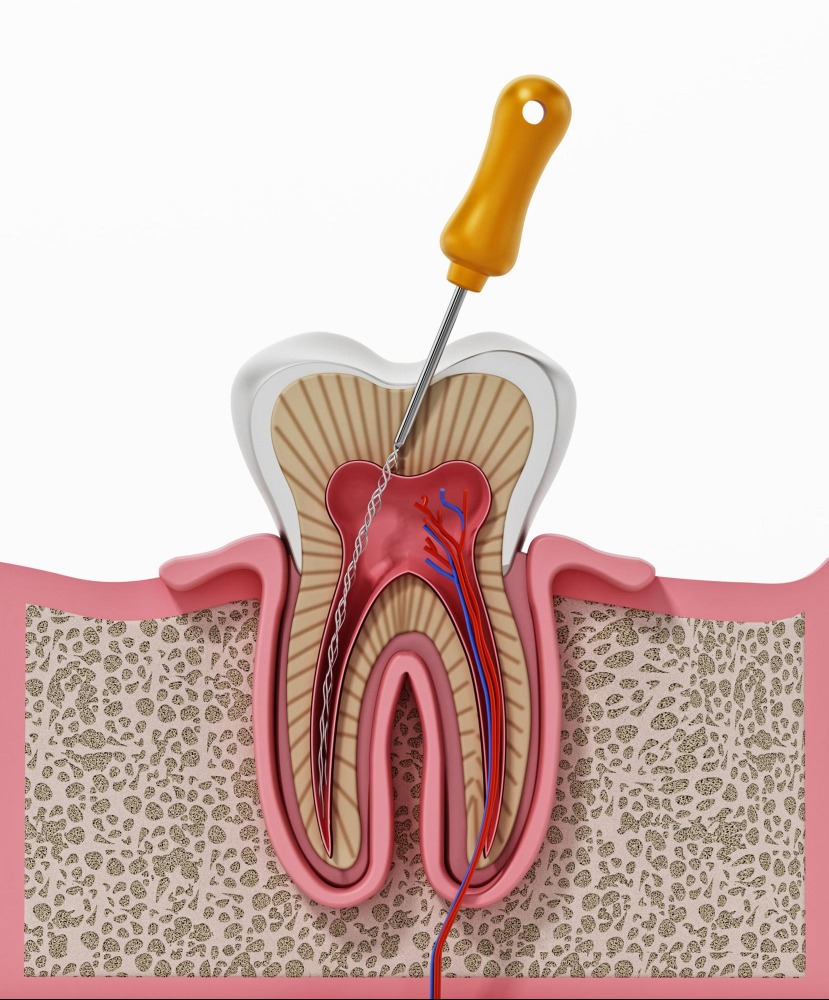
Inside each tooth is a space containing dental pulp. Deep decay, cracks, trauma, or other problems can allow this tissue to become inflamed or infected.
Symptoms may include:
- Persistent toothache
- Pain while biting
- Prolonged sensitivity
- Swelling around a tooth
- Gum tenderness
- A pimple-like swelling on the gum
Some teeth requiring root canal treatment may produce few symptoms, which is why diagnosis involves more than pain alone.
What Happens During Treatment?
After examination and appropriate dental imaging, the tooth is usually numbed with local anaesthetic.
The dentist then accesses the internal root canal system, removes inflamed or infected tissue, cleans and shapes the canals, and seals them with suitable filling materials.
Depending on the tooth and clinical situation, treatment may require one or more appointments.
Why Can Treatment Sometimes Feel Uncomfortable?
A severely inflamed tooth may be particularly sensitive before treatment. Anxiety can also heighten awareness of sensations.
Dentists can use local anaesthetic techniques appropriate to the tooth and situation and assess numbness before proceeding. Patients should communicate if they remain uncomfortable rather than assuming they must tolerate significant pain.
Some tenderness after treatment can occur, particularly if the tooth was painful or inflamed beforehand. The dentist can explain what is expected and when persistent or increasing symptoms need reassessment.
Root Canal or Extraction?
Extraction removes the tooth, while root canal treatment aims to retain a tooth that is considered restorable.
Whether preservation is practical depends on factors such as:
- Amount of healthy tooth structure remaining
- Presence of cracks or fractures
- Gum and bone support
- Restorability after root canal treatment
- Overall dental plan
A root canal should not automatically be performed on every painful tooth, just as extraction should not automatically be chosen because it initially appears simpler.
What About the Crown Afterwards?
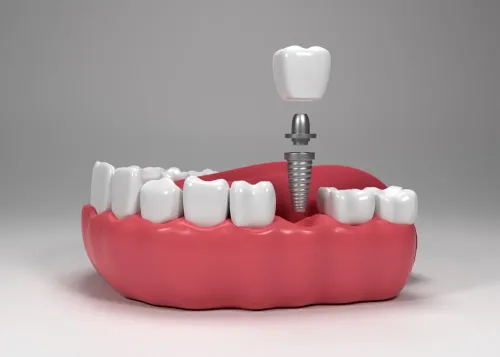
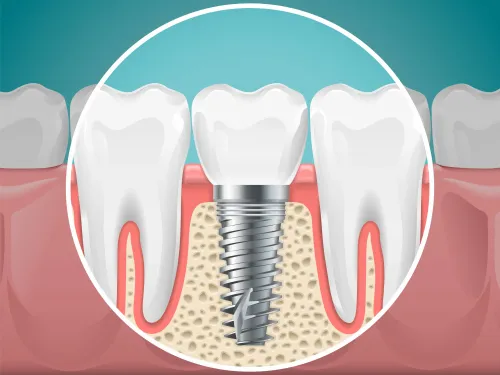
Back teeth can lose substantial tooth structure through decay, previous restorations, or the access required for treatment. Depending on the remaining structure and bite forces, a crown or another protective restoration may be recommended after root canal therapy.
This final restorative stage is important because successful root canal treatment still requires the tooth to remain structurally functional.
For patients comparing root canal services across Delhi, including Dwarka, Dr Pooja Dental and Implant Centre can assess the source of dental pain and determine whether root canal treatment, another restorative procedure, or a different approach is indicated.
A comfortable root canal experience begins with accurate diagnosis, effective anaesthesia, careful treatment, and clear communication. Rather than focusing solely on the word 'painless,' patients can look for a treatment plan that explains the cause of pain and how the tooth will be managed both during and after the procedure.
Keywords