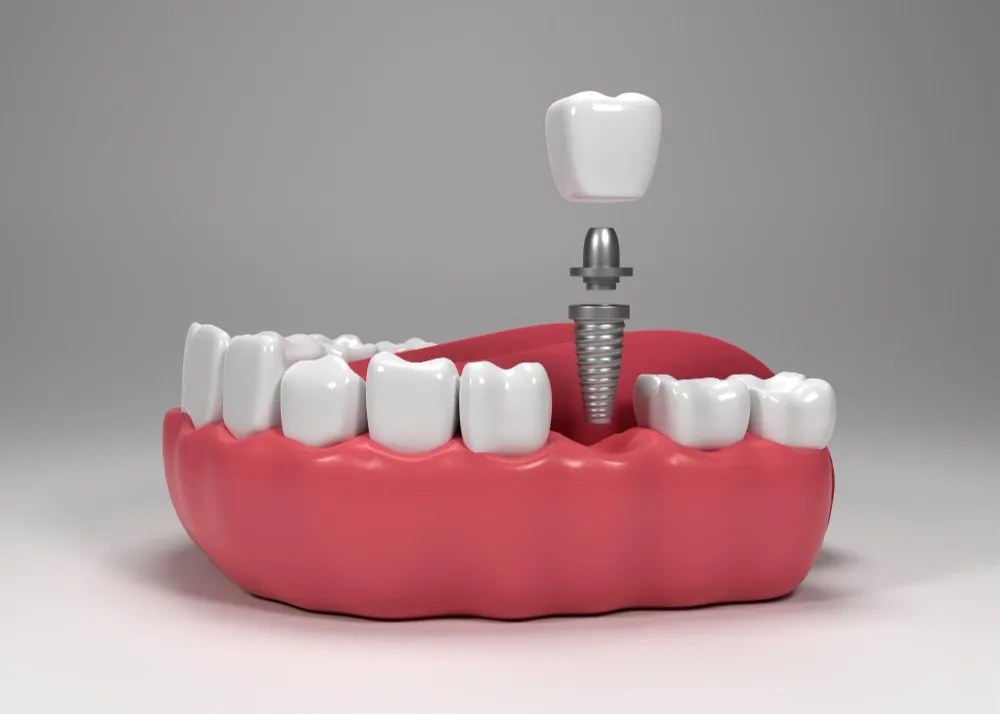
Choosing a dental implant dentist in Dwarka involves more than comparing fees or looking at a list of services. Implant dentistry combines diagnosis, surgical planning, restorative treatment, bite assessment, and long-term maintenance, so patients benefit from knowing what to evaluate during the consultation.
A good consultation should help you understand not only what treatment is proposed but also why it is appropriate for your particular mouth.
Start With the Diagnosis
A recommendation should follow an assessment of the actual problem.
If a tooth is damaged, ask whether it can reasonably be restored before discussing extraction and replacement. If a tooth is already missing, the dentist should assess the surrounding teeth, gums, available bone, bite, and space.
Implants are one tooth-replacement option. Depending on the circumstances, alternatives may include a dental bridge or removable prosthesis.
Ask How Implant Planning Is Performed
The complexity of implant planning varies between cases.
Clinical examination and dental X-rays are routinely important. Three-dimensional imaging may be advised when detailed information about bone dimensions or anatomical structures is required.
Useful questions include:
- Where will the implant be positioned?
- Is the available bone adequate?
- Is grafting expected?
- What restoration will the implant support?
- How will the bite be evaluated?
- What happens during the healing phase?
Clear explanations make it easier to understand the complete treatment rather than seeing implant placement as an isolated surgical procedure.
Compare Complete Treatment Plans, Not Headline Prices
Two quotations can look very different because they may include different components.
Check whether an estimate accounts for the implant, abutment, crown, required imaging, provisional restoration if applicable, surgical procedures, and follow-up care.
If bone grafting or another procedure is only a possibility, ask under what circumstances it would become necessary and how that could affect the treatment plan.
Look at Communication and Informed Decision-Making
Patients should have enough information to understand expected treatment stages, alternatives, limitations, possible complications, and maintenance requirements.
Be cautious when a complex implant case is presented as universally quick, painless, permanent, or guaranteed. Healing and long-term outcomes depend on several biological and behavioural factors.
Consider What Happens After the Implant Is Restored
Implant care continues after the crown or bridge is fitted.
A long-term plan may include:
- Periodic clinical reviews
- Gum and implant-tissue assessment
- Professional cleaning when appropriate
- Bite evaluation
- Home-care instructions
- Monitoring of the restoration
Patients with a history of gum disease, smoking, or other risk factors may require particular attention to maintenance.
Local Accessibility Can Matter
Implant treatment commonly involves several appointments, from assessment and surgery to restorative stages and reviews. For residents of Dwarka and nearby parts of Delhi, choosing an accessible clinic can make attending scheduled follow-ups more practical.
Dr Pooja Dental and Implant Centre provides dental and implant services in Dwarka, allowing patients considering tooth replacement to discuss implant suitability, treatment stages, alternatives, and restorative options within a local clinical setting.
The most useful selection criteria are therefore not a single claim or price. Look for careful assessment, understandable explanations, transparent treatment planning, realistic expectations, and a clear maintenance strategy. Those factors help patients compare implant providers in Delhi on clinically meaningful grounds.
Keywords