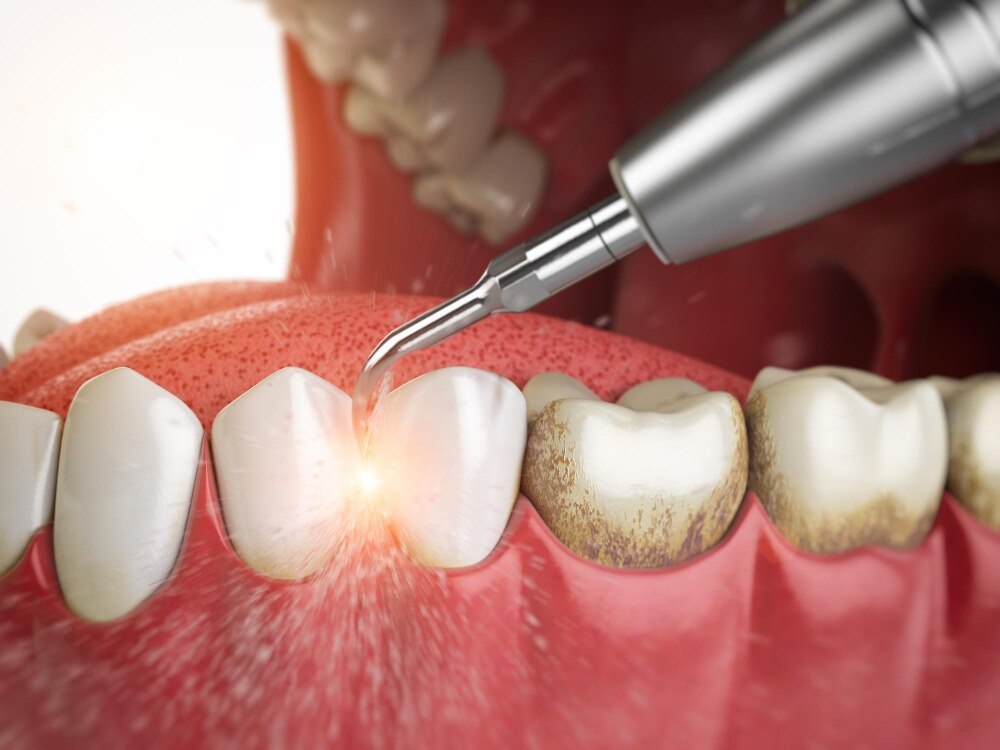
A deep periodontal cleaning is not simply a longer version of routine polishing: it begins with measurements and diagnosis, then targets plaque, calculus and contaminated root surfaces beneath the gums. By the end, you will know what happens before, during and after treatment, how pocket depths influence the plan, and what questions to ask about your care.
Key takeaways
- Ask for gum pocket measurements before agreeing to deep cleaning.
- Scaling removes deposits above and below the gumline.
- Root planing smooths contaminated root surfaces beneath inflamed gums.
- Compare treatment plans by treated teeth, anaesthesia, visits, and follow-up.
What happens before scaling and root planing is started?
The appointment begins with a medical and dental history, followed by a gum examination; scaling and root planing is not automatically the same cleaning for every tooth. This is the essential answer to “what does scaling and root planing include in Dwarka?” before any deep cleaning starts.
The clinician records:
- Plaque and calculus around and below the gumline
- Periodontal pocket depth at several points around each tooth
- Bleeding on probing
- Gum recession and clinical attachment loss
- Tooth mobility
- Furcation involvement, where bone loss affects the roots of a multi-rooted tooth
A periodontal probe measures pocket depth and identifies bleeding or inflammation. Deeper bleeding pockets suggest disease that needs more than polishing. Dental X-rays are added when periodontitis is suspected, because probing cannot show bone. Radiographs can reveal the level and pattern of bone loss, deposits of calculus, defective fillings or crowns, and other contributing problems.
Gum treatment details Dwarka consultations should distinguish these findings clearly:
| Condition | What the examination shows | Usual implication |
|---|---|---|
| Gingivitis | Inflamed or bleeding gums without attachment loss | Professional cleaning and improved home care may be sufficient |
| Periodontitis | Attachment loss, periodontal pockets, and possible bone loss | A detailed plan for site-specific scaling and root planing, review, and further treatment |
That diagnosis determines which sites need subgingival instrumentation and whether additional periodontal care is necessary.
What do scaling and root planing actually remove?
Scaling removes plaque, tartar (calculus) and other deposits from above and below the gumline. Root planing, also called root-surface instrumentation, works on accessible tooth roots by removing contaminated deposits and smoothing the root surfaces so inflamed gum tissue can reattach more effectively.
The deposits targeted during treatment include:
- Soft plaque trapped at or beneath the gumline
- Hardened calculus that brushing cannot remove
- Bacterial deposits attached to accessible root surfaces
- Rough or contaminated areas that continue irritating the gum tissue
This is not the same as routine dental scaling, polishing or stain removal. Routine prophylaxis suits healthy gums or gingivitis, where inflammation has not caused periodontal attachment loss. Deep cleaning for gum disease targets subgingival inflammation, calculus and damaged attachment around teeth.
Calling every routine cleaning “root planing” can therefore describe more treatment than was actually performed.
Root planing has a clinical limit: instruments cannot reach every deposit in very deep, narrow or complex pockets, especially around furcation areas where tooth roots divide. If inflammation or deep pockets remain after scaling and root planing in Dwarka, reassessment is more appropriate than endless instrumentation.
Further care could involve periodontal specialist treatment, including access surgery or regenerative treatment in selected cases. A plan for deep cleaning for gum disease in Dwarka should identify the diseased sites being treated, not automatically label every tooth.
How do pocket depths determine the treatment plan?
Pocket depth helps show whether gum inflammation has progressed beneath the gumline. A 1–3 mm pocket with no bleeding generally supports routine prevention, while bleeding, calculus, recession, attachment loss, mobility or furcation involvement can change the plan even at a shallower measurement.
Use the findings to match treatment to the disease stage:
- Gingivitis usually needs professional cleaning, better plaque removal at home and monitoring; it does not involve attachment loss.
- A 4–5 mm pocket with bleeding or calculus often needs subgingival instrumentation and a closer review. Early periodontitis may respond to targeted or sectional scaling and root planing.
- Moderate disease often requires more extensive instrumentation across affected sites, followed by reassessment of bleeding and pocket depths.
- A 6 mm or deeper pocket raises concern about advanced periodontitis and attachment loss. Deposits hidden in deep or furcation areas may not respond fully to non-surgical treatment, so periodontal specialist assessment, access surgery or regenerative treatment may be considered.
The clinician does not automatically treat every tooth in the same way. Treatment is commonly divided by quadrant or sextant so each area receives thorough instrumentation, appointments remain manageable and healing can be assessed before further treatment.
For periodontal treatment Dwarka patients comparing plans, ask which sites have bleeding, calculus and measurements of 4 mm or more. A plan for scaling and root planing Dwarka should identify those diseased sites and include a review after healing, rather than label every cleaning as deep cleaning.
What will you feel during treatment, and how long does it take?
Treatment usually feels like pressure and vibration, with water moving around the teeth rather than sharp pain. The clinician may use local anaesthetic when pockets are deep, roots are sensitive or several sites are treated together.
Afterward, you may notice:
- Soreness or gum tenderness
- Mild bleeding
- Temporary sensitivity to cold
There is no honest fixed appointment time. The number and length of visits change with:
- Calculus quantity and inflammation
- Root sensitivity and gag reflex
- Medical factors
- Pocket distribution
- The number of teeth treated at once
One quadrant, several quadrants or the full mouth may be scheduled across separate appointments. Dividing treatment gives the clinician better access to difficult sites and makes anaesthesia easier to manage. Trying to complete extensive disease in one short visit can leave deep or awkward areas undertreated.
For anyone asking what does scaling and root planing include in Dwarka, the practical answer is site-specific treatment rather than an identical cleaning for every tooth. Deep cleaning for gum disease Dwarka should include clear instructions about eating while numb, brushing the treated areas and what symptoms require a call.
As swollen gum tissue settles, previously covered root surfaces can become more visible. Teeth may look longer or feel sensitive even as bleeding and inflammation improve; that change reflects shrinking inflammation, not automatically treatment failure.
What happens after deep cleaning, and how should you compare treatment plans?
SRP is followed by home care and a healing review; it is not a one-time cure. Brush twice daily with fluoride toothpaste, then clean between teeth with interdental brushes or another method suited to your spaces and gum condition.
Antibiotics do not replace mechanical plaque and calculus removal. They may be prescribed for specific clinical reasons, but they cannot remove deposits attached below the gumline or control plaque that returns each day.
Reassessment commonly takes place after 4–12 weeks, depending on the plan and healing. The clinician checks bleeding, plaque control and pocket depths. Persistent deep or inflamed sites may need further instrumentation, periodontal surgery or referral.
Smoking, diabetes and poor plaque control increase the risk of recurrence. Supportive periodontal maintenance should therefore be scheduled at an interval based on your findings, home care and risk factors.
To compare periodontal treatment in Dwarka, ask for these details:
| Check | What to ask | Why it matters |
|---|---|---|
| Sites treated | Which teeth or gum sites were treated? | A “full-mouth cleaning” label does not prove that SRP covered diseased sites. |
| Measurements | What were the pocket depths and bleeding findings? | These show whether inflammation and deep pockets remain. |
| Radiographs | Do the X-rays show bone loss? | Bone loss changes prognosis and follow-up needs. |
| Plan | What anaesthesia and aftercare are planned? | You can prepare for sensitivity, soreness and home care. |
| Review | When is re-evaluation and maintenance due? | Treatment needs confirmation after healing. |
For gum treatment details in Dwarka, Dr Pooja Dental & Implant Centre can be considered when you want these findings and next steps discussed during a structured consultation, rather than relying on a “full-mouth cleaning” label alone.
Related service
Scaling & Root Planing Maintaining healthy gums is the foundation of a beautiful smile. At Dr. View service → |
Frequently asked questions
What happens before scaling and root planing starts?
The dentist reviews your medical and dental history, examines your gums, measures pocket depths, and identifies bleeding, recession, loose teeth, deposits, or dental X-ray findings.
What do scaling and root planing remove?
Scaling removes plaque, calculus, and bacterial deposits from tooth surfaces above and below the gumline. Root planing smooths contaminated root surfaces so gum tissue can heal against them.
How do pocket depths determine the treatment plan?
The dentist records each pocket measurement. Shallow sites may need routine cleaning and improved home care, while deeper pockets with bleeding or bone loss can require scaling and root planing by selected areas or multiple visits.
What will scaling and root planing feel like, and how long does it take?
Local anaesthetic can numb sensitive areas. You may feel pressure, vibration, and water rather than sharp pain. Appointment length depends on the number of teeth and quadrants treated.
What happens after deep cleaning, and how should treatment plans be compared?
Mild tenderness, sensitivity, or bleeding can follow treatment. Ask when reassessment will occur, which teeth or quadrants are included, what anaesthesia is used, and whether follow-up periodontal measurements are planned.
Keywords