A toddler may need anything from a first examination and fluoride varnish to decay treatment or same-day trauma care, and the right choice depends on the tooth, symptoms, risk and expected cooperation. By the end, you can match common findings to the appropriate treatment, prepare for the visit and compare Delhi clinics without assuming that every baby tooth needs the same procedure.
Key takeaways
- Book the first dental assessment by age one or within six months of the first tooth.
- Use fluoride prevention for risk control, monitoring for early changes, and urgent care for pain or swelling.
- Ask whether a decayed primary tooth needs a filling, crown, pulp treatment, or removal.
- Request the treatment plan, recovery instructions, and sedation details in writing.
Start with the right visit for your toddler’s age and risk
Book your toddler’s first dental assessment by the first birthday or within six months of the first tooth appearing. This is the starting point for pediatric dental treatment for toddlers in Delhi, not a promise of fillings or X-rays.
Follow-up timing depends on caries risk and what the dentist sees:
- Low risk: return at the interval recommended after examination and preventive advice; do not assume every child needs a six-month visit.
- Higher risk: arrange closer reviews for frequent sugary drinks, visible plaque, enamel defects, previous decay, or non-cavitated white spots.
- Any risk: seek urgent assessment after a knocked, displaced, or intruded tooth, facial swelling, fever, uncontrolled pain, or difficulty eating. Never reinsert an avulsed primary tooth.
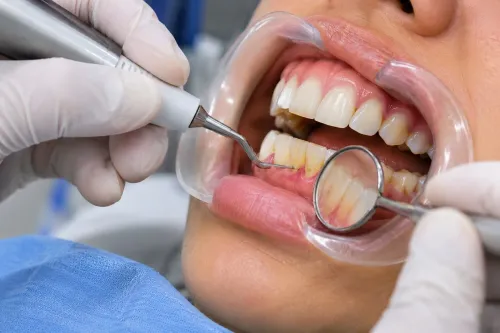
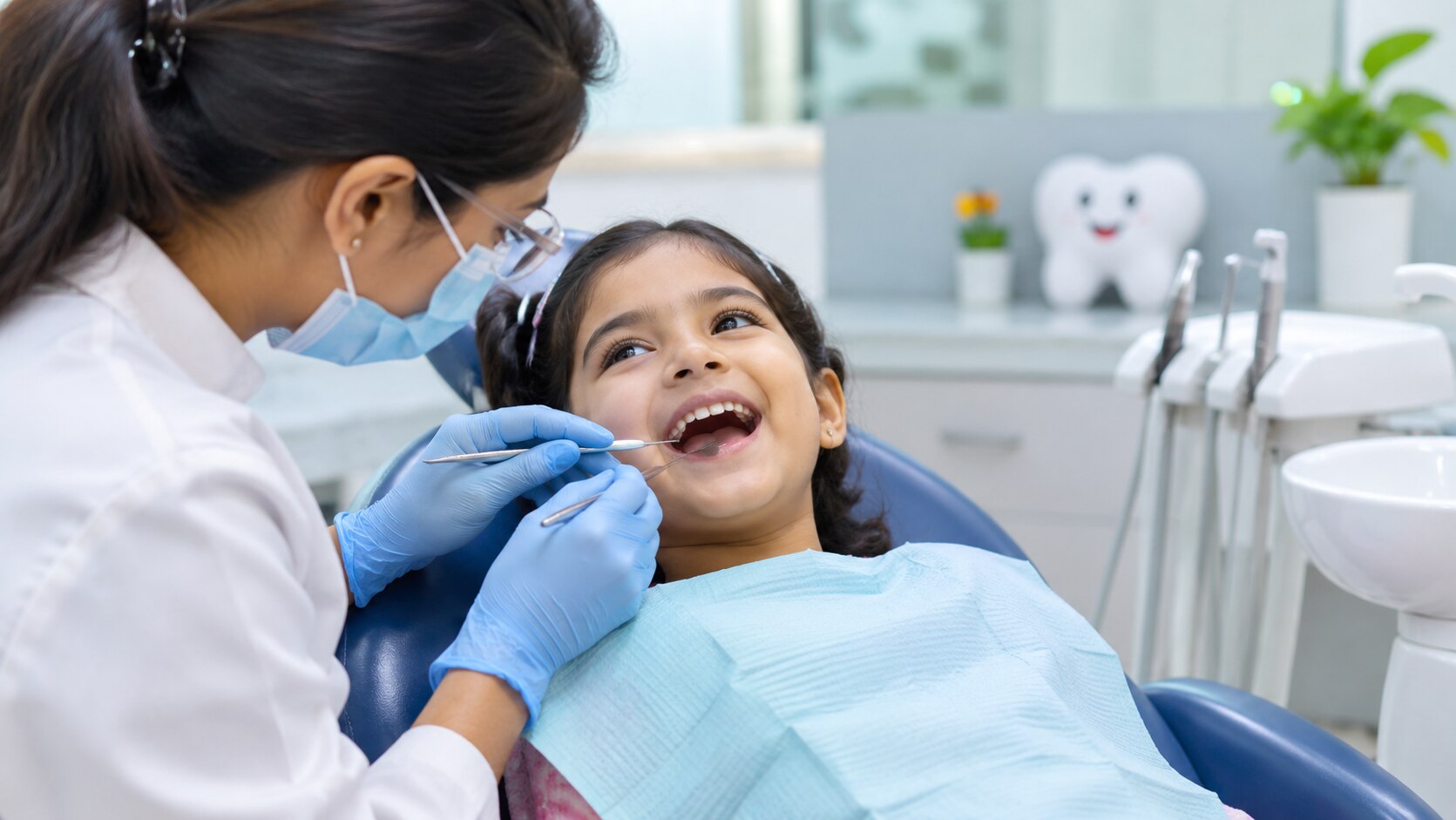
At the appointment, a dentist for toddlers in Delhi can examine the teeth, gums, bite and feeding habits while your child sits on your lap or in the dental chair. X-rays are not automatic; the dentist selects them when symptoms, findings, age, caries risk and likely cooperation suggest that imaging could change treatment.
Brush twice daily with fluoridated toothpaste: a rice-grain smear below age three and a pea-sized amount from age three, with you brushing or supervising.
If your toddler will not sit still, the team can use short visits, distraction, tell-show-do and a parent’s support. Nitrous oxide may reduce anxiety but does not reliably replace local anaesthetic. Sedation or general anaesthesia requires medical screening, monitoring, trained staff and recovery planning.
Match the finding to prevention, monitoring or urgent care
A smooth, painless white spot needs an examination, not emergency treatment. The dentist will check whether it is an early enamel change that can be monitored or whether it is progressing toward a cavity.
- Monitor at home while arranging a routine visit if the spot is unchanged, the child eats normally, and there is no pain. Brush twice daily with a smear of fluoride toothpaste and avoid repeated sugary drinks or bedtime bottles containing milk or juice.
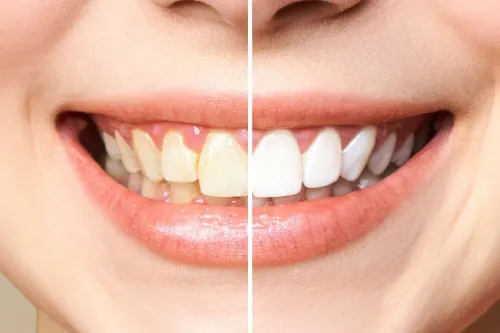
- Choose preventive treatment when the toddler has chalky white areas, frequent sugar exposure, or a history of decay without a hole in the tooth. Professional fluoride varnish strengthens vulnerable enamel but does not repair an established cavity.
- Book an examination soon if you see a brown mark, a rough or broken surface, food trapping, repeated mouth rubbing, or pain during eating. The dentist can decide whether cleaning, varnish, a sealant assessment, or decay treatment is appropriate.
- Seek same-day dental care for facial or gum swelling, fever, pus, uncontrolled bleeding, severe pain, or a tooth knocked loose, displaced, or pushed into the gum. Do not reinsert an avulsed baby tooth.
Teething usually causes tender gums and chewing—not a visible cavity, facial swelling, or persistent night pain. A children dentist for early teeth in Delhi can assess a moving toddler through visual examination and behaviour observation; X-rays are used only when symptoms and clinical findings make them likely to change treatment.
Ask about toddler dental care options in Delhi that match the child’s caries risk rather than an automatic six-month schedule.
Compare treatments for a decayed primary tooth
A decayed baby tooth is not automatically a candidate for a filling. The dentist weighs how much tooth remains, whether the nerve is affected, moisture control, symptoms and how long the tooth must remain.
| Option | What it means | When it applies |
|---|---|---|
| Filling | Removes decay and restores the missing shape with tooth-coloured material | A small cavity with enough sound tooth structure and reliable moisture control |
| Silver diamine fluoride | Usually 38% SDF, which can arrest active dentinal decay without drilling | A child who cannot cooperate or a lesion needing disease control; it permanently turns decayed areas dark or black and does not rebuild tooth shape |
| Stainless-steel crown | Covers and protects the whole primary tooth with a preformed metal cap | A large cavity, weakened cusps, multiple surfaces, or a molar receiving pulp treatment |
| Pulp treatment | Removes infected or inflamed tissue inside the tooth and seals the canals | Pain, spontaneous night waking, abscess, or decay reaching the pulp when the tooth remains restorable |
| Extraction | Removes the tooth because restoration is not predictable | Advanced infection, severe structural loss, or a poor long-term prognosis |
SDF can be followed by a filling or crown when appearance, chewing or tooth shape matters. Extraction of a primary molar can reduce space for its permanent successor, but a space maintainer is not automatic; dental age, successor development, bite and cleaning ability decide that choice.
Ask for a written explanation of the recommended pediatric dental treatment for toddlers in delhi. Comparing toddler dental care options in delhi means comparing survival, visits, appearance and aftercare—not just the procedure name.
Prepare for cooperation, sedation and recovery
Expect a cooperation assessment before treatment, a planned pain-control method during it, and supervised recovery afterwards. A dentist for toddlers in Delhi should watch how your child communicates, separates from you, opens their mouth, and tolerates examination before promising treatment with local anaesthetic, nitrous oxide, sedation, or general anaesthesia.
- Before the appointment, share medical conditions, medicines, allergies, previous sedation problems, and recent illness. Ask what food and drink restrictions apply if sedation or general anaesthesia is planned; follow the written fasting instructions exactly. Confirm who will monitor your child and how long recovery usually takes.
- During treatment, local anaesthetic prevents pain but does not stop fear or movement. Nitrous oxide can ease anxiety, yet it does not reliably replace local anaesthetic. Deeper sedation and general anaesthesia require medical screening, continuous monitoring, trained staff, and a recovery area.
- After treatment, remain with your child until the clinic confirms safe discharge. Numb lips and cheeks invite biting, while drowsiness can affect walking and eating. Offer only the foods and drinks the clinician recommends, and supervise closely.
Call the clinic urgently for breathing difficulty, repeated vomiting, heavy bleeding, or a child who is difficult to wake. Arrange a quiet day at home rather than childcare, especially after sedation or general anaesthesia. Ask for written instructions covering medicines, eating, brushing, and the emergency contact number.
Choose a Delhi clinic and request a complete treatment plan
A children dentist for early teeth in Delhi should examine your toddler’s decay risk, cooperation, symptoms and developing permanent teeth before recommending treatment. Ask who will provide local anaesthetic, nitrous oxide, sedation or general anaesthesia; deeper sedation and general anaesthesia require medical screening, monitoring, trained personnel and a recovery plan.
Request one written plan from each clinic. It should state which teeth need treatment, why each procedure is chosen, whether an X-ray is needed, and what happens if your toddler cannot cooperate. Routine X-rays for every toddler are unnecessary; imaging should be ordered when it could change the diagnosis or treatment.
Compare clinics using the same questions:
- Is the first visit an examination and prevention visit, or will treatment be attempted immediately?
- How many visits are expected, and how long will each take?
- What happens if the child cries, refuses to open, or needs a break?
- Does the estimate separate examination, radiographs, fluoride varnish, treatment, anaesthesia, monitoring and follow-up?
- What are the alternatives, including monitoring, silver diamine fluoride, a crown or extraction?
| Clinic | Treatment plan | Visit burden | Written estimate |
|---|---|---|---|
| Clinic A | Names each tooth, diagnosis and alternative | States number and purpose of visits | Itemised costs and anaesthesia details |
| Clinic B | Uses one broad procedure label | Gives no schedule or cooperation plan | Bundled figure with exclusions unclear |
For pediatric dental treatment for toddlers in Delhi, Dr Pooja Dental & Implant Centre should receive the same written questions as any clinic you compare; clarity matters more than a reassuring promise of painless treatment. A plan that explains choices and failure points is safer than the cheapest unexplained estimate.
Related service
Pediatric Dentistry At Dr. Pooja Dental & Implant Centre, we believe that a child’s first visit to the dentist sets the foundation for a lifetime of healthy smiles. View service → |
Frequently asked questions
When should a toddler in Delhi have a first dental visit?
Book the first assessment by the first birthday or within six months of the first tooth appearing. The visit may involve prevention and risk assessment rather than fillings or X-rays.
How do dentists match treatment to a toddler’s dental finding?
Dentists use prevention for risk control, monitoring for early changes, and urgent care when symptoms such as pain or swelling need prompt attention.
What treatments are available for a decayed primary tooth?
Options can include a filling, a crown, pulp treatment, or removal. The choice depends on the tooth’s remaining structure, infection, symptoms, and how long it must remain in place.
How should parents prepare for toddler dental treatment and recovery?
Ask how the clinic will support cooperation, whether sedation is proposed, what fasting instructions apply, and which eating, drinking, and activity restrictions follow treatment.
What should you ask a Delhi toddler dentist before agreeing to treatment?
Request a complete written plan covering the diagnosis, proposed treatment, alternatives, X-rays if needed, sedation details, aftercare, follow-up, and total expected visits.
Keywords