Laser treatment can help with selected gum, soft-tissue and sensitivity problems, but “laser” is not a diagnosis or a universal replacement for drilling, fillings, drainage or root-canal treatment. By the end, you will know which pain patterns justify asking about a laser, when conventional care is safer or more definitive, and what questions to ask before agreeing to treatment.
Key takeaways
- Identify the cause of pain before choosing laser treatment.
- Lasers can treat some gum and soft-tissue problems, not every cavity or abscess.
- Ask whether laser treatment replaces the main procedure or only supports it.
- Seek urgent examination for swelling, fever, facial pain, or difficulty swallowing.
Which types of tooth pain can a dental laser actually address?
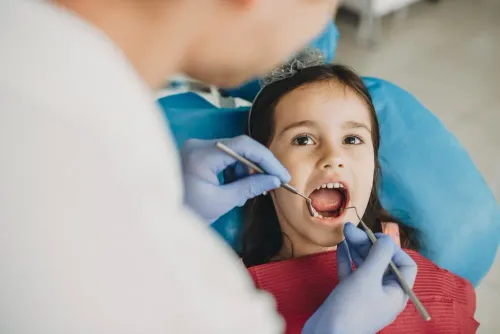
Laser treatment is worth considering only after the cause of pain is identified. “Laser dentistry for tooth pain” covers several procedures, not one cure. The dentist starts with inspection and a gum assessment, then checks your bite and uses cold or electric pulp testing when indicated.
Dental X-rays help reveal decay between teeth, a deep lesion, root infection, or trauma hidden below the surface.
| Pain pattern | What it may suggest | Can a surface laser fix it? |
|---|---|---|
| Brief cold sensitivity | Exposed dentin or reversible irritation | It may support sensitivity treatment, but the cause still needs attention |
| Pain that lingers after cold | Significant pulp inflammation | No; pulp treatment may be needed |
| Pain without a trigger or at night | Possible advanced pulp damage | No; consider pulpotomy, root-canal treatment or extraction |
| Pain when biting | Cracked tooth, trauma, deep decay or inflammation | Not without treating the underlying damage |
A laser may treat selected gum inflammation or infection, soft-tissue lesions, some carious tissue, or dentin sensitivity. It cannot repair every crack, remove the source of an abscess by itself, or cure infection inside the pulp. The diagnosis decides whether the laser addresses the cause or supports another treatment.
Delaying definitive care because a procedure sounds gentler can allow pain, decay or infection to worsen.
How do hard-tissue and soft-tissue lasers work, and what will you feel?
A laser is not a single treatment. Clinics use different systems, and the wavelength, power, pulse duration, cooling and operator technique matter more than the word “laser” alone.
| Category | How it interacts | Possible uses |
|---|---|---|
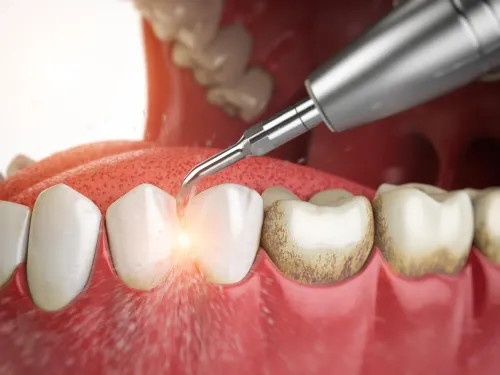
| Hard-tissue lasers | Er:YAG and Er,Cr:YSGG systems interact strongly with water in enamel, dentin and decay, allowing selected tooth structure to be removed or altered. | Cavity preparation or modification of some decayed tissue |
| Soft-tissue lasers | Diode, Nd:YAG and CO₂ systems target soft tissue differently from enamel and dentin. | Selected gum and other soft-tissue procedures |
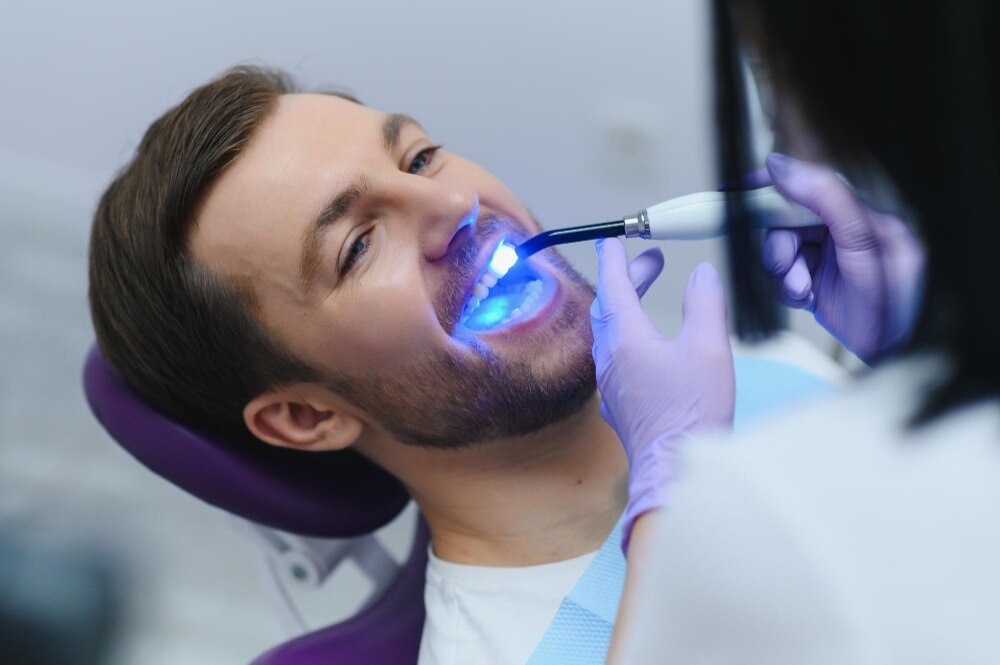
You may feel pressure, warmth, a snapping sound or an odor. Some patients notice less vibration than with a conventional handpiece, but the sensation varies with the tooth and procedure.
Local anaesthetic is not automatically avoided: an injection can still be needed for deep decay, an inflamed pulp, tender gum tissue, or a filling, crown or other treatment that follows.
Afterward, expect possible tenderness, temperature sensitivity or swelling. Appropriate protection includes wavelength-specific eyewear, control of reflected light and smoke or plume evacuation when tissue is vaporized. Ask, “For this laser dental treatment dwarka, which system and exact procedure are you proposing?” That answer is more useful than a promise of painless treatment.
When is laser treatment an add-on rather than the real pain treatment?
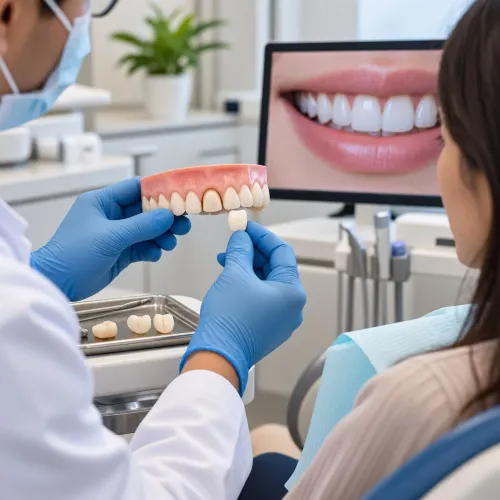
Laser is an add-on when it helps with one step but does not remove the need to treat the source of pain. For decay, it may remove some diseased tissue, but deep, extensive or hard-to-reach lesions still need a handpiece, excavation, bonding, a filling or a crown.
For gum disease, laser use can support selected soft-tissue procedures. It does not replace professional scaling and root planing, because plaque and calculus must be removed mechanically. Reduced bleeding or fewer sutures can be genuine benefits of laser dentistry in selected soft-tissue work, but laser treatment does not guarantee less pain.
For dentin hypersensitivity, laser or low-level photobiomodulation may reduce symptoms for some patients. Desensitising toothpaste, fluoride, bonding, gum treatment or covering an exposed root may better address the cause, and study results differ by laser, dose and protocol.
Spontaneous or lingering pain points toward irreversible pulpitis. Pulpotomy, root-canal treatment or extraction treats that problem; a surface laser does not. An abscess likewise needs drainage, root-canal therapy or extraction. A laser alone is not a cure.
Use this checklist before agreeing to laser-only care:
- What diagnosis is causing the pain?
- Is the laser performing the definitive treatment or supporting another procedure?
- Will you still need anaesthetic, drilling, scaling, a filling, root-canal treatment, drainage or extraction?
- What conventional treatment would achieve, and what happens if laser treatment is declined?
- What discomfort, aftercare and follow-up should you expect?
A laser can support care, but it does not make conventional treatment obsolete.
Which tooth-pain symptoms need urgent examination instead of elective laser care?
Arrange prompt dental assessment if tooth pain is rapidly worsening or prevents sleep. Do not book elective laser care first when you have:
- Facial or jaw swelling, fever, pus, or a bad taste with swelling
- Difficulty opening your mouth
- Uncontrolled bleeding
- A knocked-out or fractured tooth
- Pain following facial trauma
Difficulty swallowing or breathing, swelling spreading toward the eye or neck, or signs of serious infection require urgent medical care, not a routine laser consultation. These symptoms can threaten the airway or indicate infection spreading beyond the tooth.
| Urgency | What to do | Why it matters |
|---|---|---|
| Prompt dental assessment | Contact a dentist quickly for severe or worsening pain, swelling, fever, trauma, or a dental injury | Delay can allow pulp damage, fracture complications, or infection to progress |
| Urgent medical assessment | Seek emergency care for breathing or swallowing difficulty, neck or eye swelling, or uncontrolled bleeding | These problems can involve the airway, deeper tissues, or significant blood loss |
An abscess can keep damaging tissue after pain decreases. Pain relief does not prove that the infection has cleared. Antibiotics, when clinically indicated, support care but do not replace source control through drainage, root-canal treatment, or extraction.
The dentist may prioritise repair of a fracture, local anaesthetic, drainage, extraction, or a standard root-canal procedure before discussing an adjunctive laser. Ask:
- What is causing the pain?
- Is the pulp alive and inflamed?
- Is there an abscess?
- What happens if I decline laser treatment?
- What follow-up is required?
A “gentle” option cannot justify delaying definitive treatment.
How can you decide whether laser treatment is worth choosing in Dwarka?
Laser treatment is worth choosing only when it targets a named diagnosis, not because a clinic owns a laser. For searches such as laser dental treatment for tooth pain in dwarka or gentle dental treatment dwarka, compare the proposed procedure with definitive conventional care.
| Option | What it may achieve | What it may not replace |
|---|---|---|
| Laser adjunct | Support selected gum, soft-tissue or sensitivity procedures | Diagnosis, injections, fillings, root-canal treatment or drainage |
| Conventional restoration | Remove decay and seal the tooth with a filling or crown | Treatment for infection beyond the tooth |
| Root-canal treatment or extraction | Treat infected or irreversibly inflamed pulp | A surface-only pain solution |
Ask for an examination and appropriate testing, including pulp testing or an X-ray when indicated. Dr Pooja Dental & Implant Centre can be one local option for asking these questions, provided the visit produces a diagnosis and a clear conventional alternative.
Use this decision checklist:
- What is the diagnosis, and what exact procedure is proposed?
- Which laser type or wavelength will be used, and which part of treatment will it perform?
- Will you still need an injection, drilling, filling, root-canal treatment, drainage or extraction?
- What would conventional treatment achieve, and how many visits does each option require?
- What discomfort, swelling, temperature sensitivity and aftercare should you expect?
- What evidence supports this specific protocol for your problem?
“No-drill,” “no-needle” and “painless” are not dependable promises. Consider laser treatment when it has a defined indication, not simply because it sounds newer or gentler.
Related services
Dental Laser Procedures Experience the future of dentistry at Dr. Pooja Dental & Implant Centre, where we combine advanced laser technology with expert care to provide a... View service → |
Root Canal Treatment Save your natural tooth and eliminate pain with expert Root Canal Treatment (RCT) at Dr. Pooja Dental & Implant Centre. View service → |
Frequently asked questions
Which types of tooth pain can a dental laser actually address?
Laser treatment can help with selected gum problems, soft-tissue infections, ulcers, and certain tooth procedures. It does not treat every cause of tooth pain, including deep decay, a cracked tooth, or an abscess without appropriate treatment.
How do hard-tissue and soft-tissue lasers work, and what will you feel?
Hard-tissue lasers target tooth structure during procedures such as some cavity treatments. Soft-tissue lasers act on gum tissue and other oral soft tissue. You may feel vibration, warmth, pressure, or brief sensitivity, depending on the procedure and anaesthetic used.
When is laser treatment an add-on rather than the real pain treatment?
Laser treatment is an add-on when the pain comes from a condition that needs a filling, root canal, extraction, drainage, bite adjustment, or another primary procedure. The dentist must treat that cause rather than use the laser alone.
Which tooth-pain symptoms need urgent examination instead of elective laser care?
Arrange urgent dental assessment for facial or gum swelling, fever, pus, severe or spreading pain, difficulty opening your mouth, swallowing or breathing, or pain after an injury.
How can you decide whether laser treatment is worth choosing in Dwarka?
Ask the dentist to name the diagnosis, explain the conventional alternative, state what the laser changes, and clarify whether it replaces or supplements treatment. Compare expected comfort, appointments, recovery, risks, and total cost.
Keywords