A busy college schedule does not automatically rule out clear aligners, but success depends on the bite problem, healthy teeth and gums, and wearing the trays for about 20 to 22 hours each day. By the end, you will know which student cases aligners can manage, which need another approach, and how hostel life, exams, food, travel and follow-up affect the decision.
Key takeaways
- Ask for an examination with X-rays before starting aligners.
- Remove aligners for meals, sugary drinks and anything except water.
- Keep spare trays and contact your dentist after loss, pain or damage.
- Compare review visits, treatment duration, retainers and replacement costs.
Which college-student dental problems can clear aligners manage?
Clear aligners are most predictable for mild to moderate crowding, spacing, some rotated teeth, a single crooked tooth and selected relapse after earlier orthodontic treatment. They can also manage mild overbites, underbites and crossbites when tooth position, not jaw growth or a severe skeletal discrepancy, causes the problem.
| Case | Likely approach | Why |
|---|---|---|
| Mild crowding, spacing or one crooked tooth | Clear aligners | Removable trays can guide smaller, predictable movements |
| Mild bite problem from tooth position | Clear aligners, sometimes with elastics | Tooth movement may correct the bite |
| Complex rotation, severe crowding or impacted tooth | Fixed braces, appliance or extraction | The movement needs stronger control or space |
| Substantial overbite, underbite or jaw discrepancy | Combined orthodontic and jaw plan | Trays cannot correct major jaw-growth problems |
A complex rotation, impacted tooth, substantial bite problem or need for major jaw correction may require fixed braces, elastics, an orthodontic appliance, tooth extraction, jaw surgery or a combined plan. Tooth-coloured attachments, interproximal reduction between selected teeth and elastics can make treatment less unnoticeable than “invisible braces” suggests.
A digital preview shows proposed movement, not a guarantee that every tooth will track. Clear aligners for college students in Delhi are therefore a case-by-case decision, based on whether trays can move your teeth predictably and whether you can wear them about 20 to 22 hours daily.
What examination proves that aligners are safe for you?
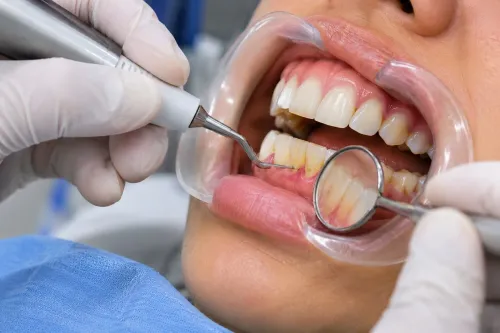
An in-person orthodontic examination, supported by clinical records, establishes whether aligners are appropriate for you. A computer simulation alone cannot show healthy gums, root position, bone support, cavities or the need for extraction.
1. The orthodontist should examine your teeth, bite, gums and jaw. The assessment should include facial and intraoral photographs, a digital scan or conventional impressions, and a bite assessment.
2. Request dental radiographs when indicated. X-rays can reveal root position, bone support, unerupted or impacted teeth, and whether extraction needs consideration. These facts cannot be established by a digital preview.
3. Ask the dentist to check for cavities, plaque accumulation, active gum disease, loose teeth, dental infection, enamel limitations and restorations that could affect tray fit. Treat cavities, infection and active periodontal disease before starting; a close-fitting tray around poor oral hygiene raises the risk of decalcification, caries and gingival inflammation.
4. Report recent wisdom-tooth symptoms, jaw-joint pain, facial asymmetry or unexplained tooth pain before consenting to treatment. Aligners do not treat every cause of tooth or jaw pain, and movement can expose pre-existing root, enamel or periodontal limitations.
5. Ask how often reviews will occur and who will assess attachments, tray fit, gum health and tooth movement. A student clear aligners dentist in delhi should not supply a complete course without clinical monitoring. Remote photographs or an app cannot replace examination when a tray does not fit, an attachment loosens, or swelling develops.
Can aligners fit around lectures, food, exams and hostel life?
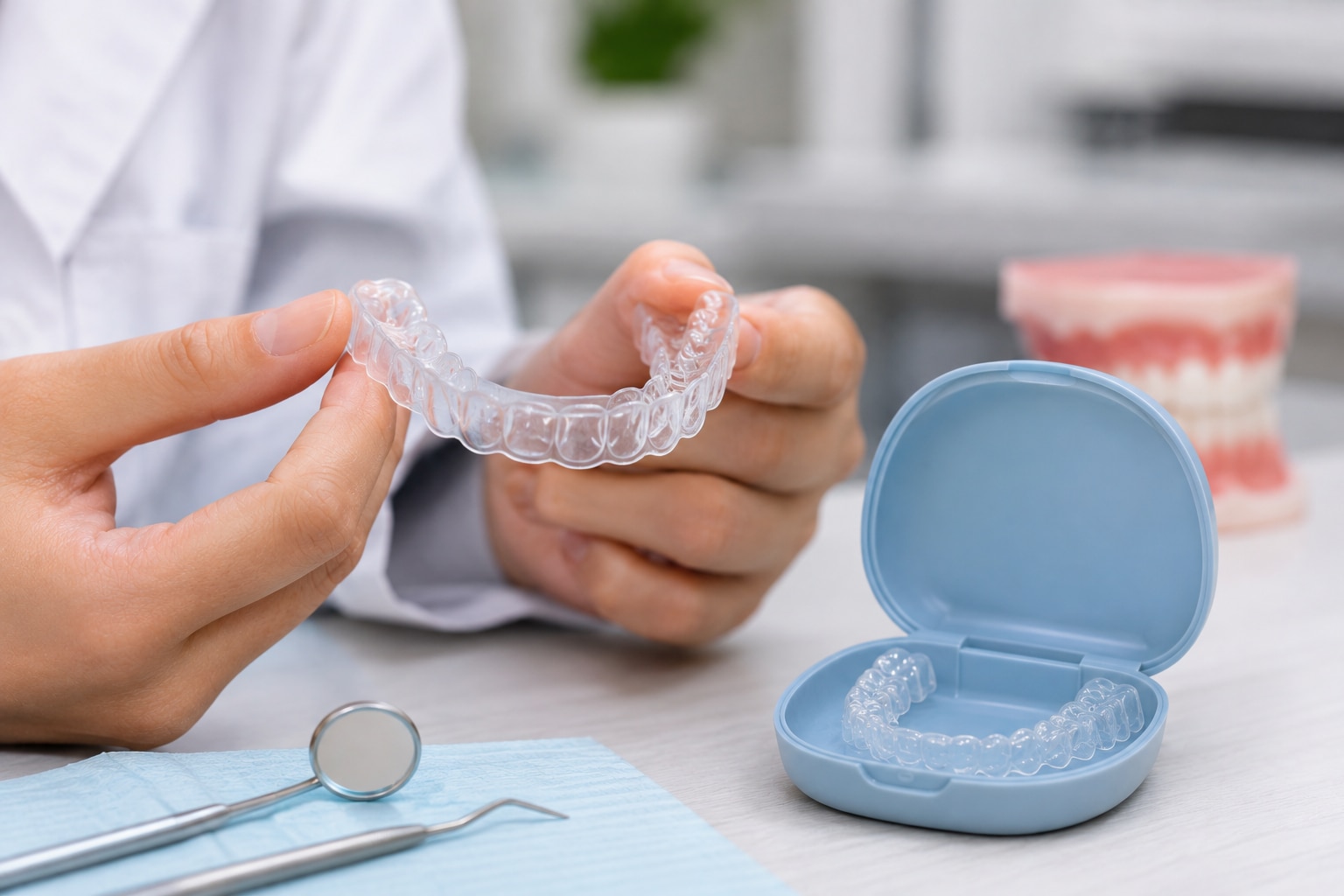
Yes, aligners can fit around lectures, meals and campus events if you can wear them for about 20 to 22 hours daily. Remove them for meals, oral hygiene and every drink except plain water; frequent removal is the main compliance risk for clear aligners for university students in Delhi.
| Situation | Practical routine | What can go wrong |
|---|---|---|
| Lectures, presentations, interviews and festivals | Remove trays briefly, place them in their case, and replace them after cleaning | Repeated removal reduces wear time and can lengthen treatment |
| Tea, coffee, soft drinks and juices | Remove trays, finish the drink, rinse with water, then brush as directed before replacing them | Stains, sugars and acids trapped against teeth increase decay risk |
| Exams | Set a phone reminder and carry the case | Irregular wear can reduce tracking |
| Hostel life | Store trays in a labelled case, never a bathroom, cafeteria napkin or shared-room desk | Loss, contamination or accidental disposal |
Rinse trays with cool or lukewarm water and clean them as your dentist instructs. Never use hot water; it can distort the thermoplastic plastic. Keep normal brushing with fluoride toothpaste, cleaning between teeth and dental check-ups.
- Do not change to the next tray early to compensate for missed wear unless your dentist instructs you.
- Ask about a separate mouthguard plan for sports.
- For travel, carry enough trays, prescription details and a way to contact the clinic.
What happens if you lose a tray, miss a review or develop pain?
If you lose a tray, keep the previous tray if it still fits, contact the treating clinic and follow its instructions; do not move forward automatically. A replacement can take time, and wearing the wrong tray can move teeth off plan.
Contact the clinic promptly if you have:
- A tray that does not fit or has a sharp edge causing injury
- Severe or persistent pain, facial swelling, a loose tooth or gum injury
- A broken or detached attachment
- A missed review, especially before changing trays
Mild pressure, tenderness, extra saliva and temporary speech changes can follow a new tray. Worsening symptoms need assessment, not simple progression to the next stage. Reviews check whether teeth are tracking, attachments remain secure, and enamel and gums are healthy. Remote photographs cannot replace examination when pain, swelling, poor tracking or a loose attachment develops.
Missed wear can lengthen treatment. The initial tray count is not necessarily the final count because refinements, delayed movement and broken attachments can add stages.
If you live in a hostel or travel between Delhi and your home city, agree on review intervals, emergency access near your accommodation or campus, and arrangements for internships, semester breaks and extended travel. These details often decide whether clear aligners for young adults in Delhi remain manageable after the first few weeks.
How should you compare the total commitment before starting?
Choose aligners only when you can commit to daily wear, careful cleaning, scheduled reviews and long-term retention. Teeth can relapse after active treatment, so ask how long retainers must be worn and what replacement costs; retention does not end when the last active tray is removed.
Compare the complete written treatment estimate, not just the price of the first set of trays.
| Item | Confirm it covers | Why it matters |
|---|---|---|
| Examination and records | Examination, photographs, scans or impressions, and radiographs | These establish suitability before trays are made |
| Planned treatment | Attachments, interproximal reduction and refinements | Extra procedures or stages can change the final cost |
| Problems during treatment | Replacement trays and emergency visits | Lost trays or broken attachments can interrupt progress |
| After treatment | Retainers and post-treatment reviews | Retainers need monitoring and replacement over time |
Ask how missed appointments, semester breaks and relocation between Delhi and your home city will be handled. A very irregular schedule can turn an apparently convenient plan into delayed treatment.
For a student considering care at Dr Pooja Dental & Implant Centre, bring your timetable and mention hostel, campus and travel plans. Request a written plan showing the likely review schedule and what happens if a tray is lost, movement does not track or extra stages are needed.
Choose the option that matches your dental needs and actual routine, not simply the least visible appliance or shortest advertised timeline.
Related services
Clear Aligners Straighten your teeth without the “metal-mouth” look! At Dr. Pooja Dental & Implant Centre, we provide state-of-the-art Clear Aligner therapy—the... View service → |
Braces Braces Unlock your best smile with professional Orthodontic Braces at Dr. Pooja Dental & Implant Centre. |
Frequently asked questions
Which dental problems can clear aligners manage in college students?
They are most predictable for mild to moderate crowding, spacing, selected rotated teeth, one crooked tooth and relapse after earlier orthodontic treatment. They can also treat mild overbites, underbites and crossbites when tooth position causes the problem rather than jaw growth or a severe skeletal discrepancy.
What examination proves that clear aligners are safe for you?
Ask for an in-person dental examination, gum assessment, photographs, digital scans or impressions and appropriate X-rays. The dentist should check for cavities, gum disease, impacted teeth, root position, bone support and jaw-related problems before planning movement.
Can clear aligners fit around lectures, food, exams and hostel life?
You need to wear the trays for the daily duration prescribed by your dentist, remove them for meals and clean them before replacing them. Plan for a case, a cleaning routine, safe storage and review appointments around lectures, exams and travel.
What happens if you lose a tray, miss a review or develop pain?
Contact your dentist after losing or damaging a tray instead of guessing which tray to wear next. If you miss a review, ask whether to continue the current tray or change the schedule. Contact the clinic promptly for severe pain, swelling, a sharp edge or a tray that no longer fits.
How should you compare the total commitment before starting aligners?
Compare the clinical fee with scan and X-ray charges, review visits, refinements, retainers, replacement trays, treatment duration and travel time. Check the expected wearing schedule and plan for exams, hostel moves and meals before committing.
Keywords