Peroxide whitening can trigger short-term sensitivity, but existing sensitivity does not automatically rule out treatment. You will learn how to identify warning signs, what a dental examination should check, and how a reduced whitening plan can lower discomfort without pretending that bleaching is risk-free.
Key takeaways
- Treat cavities, cracks, erosion, and gum recession before whitening.
- Ask a dentist to identify the cause of your sensitivity first.
- Lower peroxide exposure and shorter sessions can reduce whitening discomfort.
- Compare professional whitening with strips, toothpaste, and custom home trays.
When sensitivity means you should postpone whitening
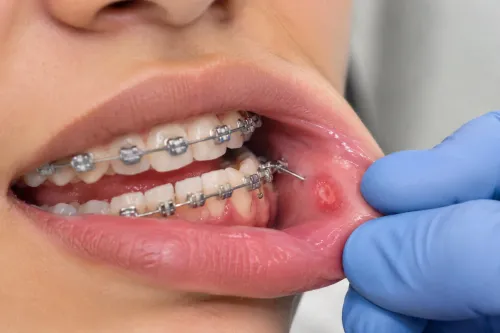
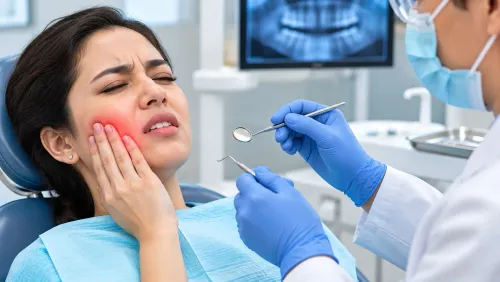
The safest answer for teeth whitening for people with sensitive teeth is conditional: postpone bleaching until a dentist identifies and treats the cause. Sensitivity from exposed dentine, gum recession, enamel wear or erosion, cavities, cracked teeth, or leaking fillings needs assessment before peroxide touches the tooth.
Arrange an examination instead of starting a whitening product if you have:
- Sharp pain in one tooth, rather than brief sensitivity across several teeth.
- Pain that lingers after hot or cold drinks.
- Spontaneous pain that starts without eating or drinking.
- A visible hole, crack, or damaged filling.
- Swollen or bleeding gums.
Peroxide does not repair decay, cracks, defective fillings, worn enamel, exposed roots, or gum disease. It can make symptoms more noticeable by reaching vulnerable dentine or irritated tissues. A lower-strength gel is not a solution for unexplained single-tooth pain or untreated disease.
If you begin treatment and the pain is severe, localised, or persists after treatment, stop whitening and contact a dentist. Brief, mild sensitivity is different from pain that continues or appears without a trigger.
A dentist may need to treat a cavity, seal a leaking restoration, manage gum inflammation, or protect an exposed root before whitening becomes a sensible next step.
What a dentist checks before using a whitening gel
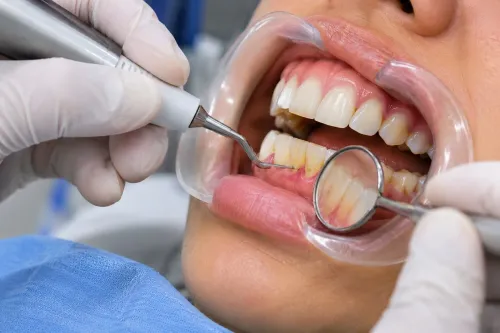
Before applying whitening gel, a dentist examines your teeth, gums and existing dental work to find what makes them sensitive. The check is not simply a decision to use a lower peroxide strength.
The examination looks for:
- Active decay, including holes or softened tooth surfaces
- Defective, cracked or leaking fillings, crowns and other restorations
- Cracks in the tooth
- Gum recession and exposed root surfaces
- Gum disease, including inflammation, swelling, bleeding or deep pockets
- Enamel erosion and worn areas
- Exposed dentine, where peroxide can reach vulnerable nerve pathways
| Sensitivity pattern | What it may indicate | Whitening decision |
|---|---|---|
| Brief, generalised response to cold | Dentine hypersensitivity or exposed surfaces | Consider whitening after assessment and protection |
| Pain from one tooth that lingers | Decay, a crack or inflamed dental pulp | Defer whitening and investigate |
| Spontaneous pain without a trigger | Possible pulp disease | Treat the tooth before whitening |
A dentist may test teeth, inspect gum margins and restorations, and take an X-ray when decay or root problems are suspected. Vulnerable dentine, exposed roots or the dental pulp need protection or treatment first; peroxide cannot repair them.
People under 18, those who are pregnant or breastfeeding, and patients with severe gum disease or untreated dental disease may need to defer whitening for restorative or periodontal care instead.
How gentle whitening reduces peroxide-related discomfort
A lower peroxide dose and shorter gel contact usually make whitening slower, but they reduce the intensity of peroxide-related sensitivity. Hydrogen peroxide acts directly; carbamide peroxide breaks down into hydrogen peroxide more gradually, so the product’s concentration and exposure time both matter.
A gentle teeth whitening for sensitivity plan may adjust the process in these ways:
- Use a lower-strength hydrogen peroxide or carbamide peroxide gel, accepting slower or less noticeable whitening.
- Shorten each application and reduce the total number of applications, stopping before discomfort builds.
- Schedule applications on alternate days rather than bleaching on consecutive days, giving symptoms time to settle.
- Pause treatment for several days if sensitivity appears, then restart only under the product instructions or dentist’s advice.
- Whiten one section at a time when selected teeth or areas react more strongly.
- Use a custom tray that holds gel against the teeth and away from the gums, where peroxide can cause irritation.
A dentist or product instructions may recommend potassium nitrate or fluoride before, during or after bleaching. Potassium nitrate reduces nerve excitability, while fluoride helps strengthen and protect exposed tooth surfaces; not every protocol includes either ingredient. These measures can reduce discomfort, but they cannot guarantee a symptom-free result.
Stop whitening and seek dental advice if pain becomes severe, localised or continues after treatment.
How professional treatment compares with strips, toothpaste and home trays
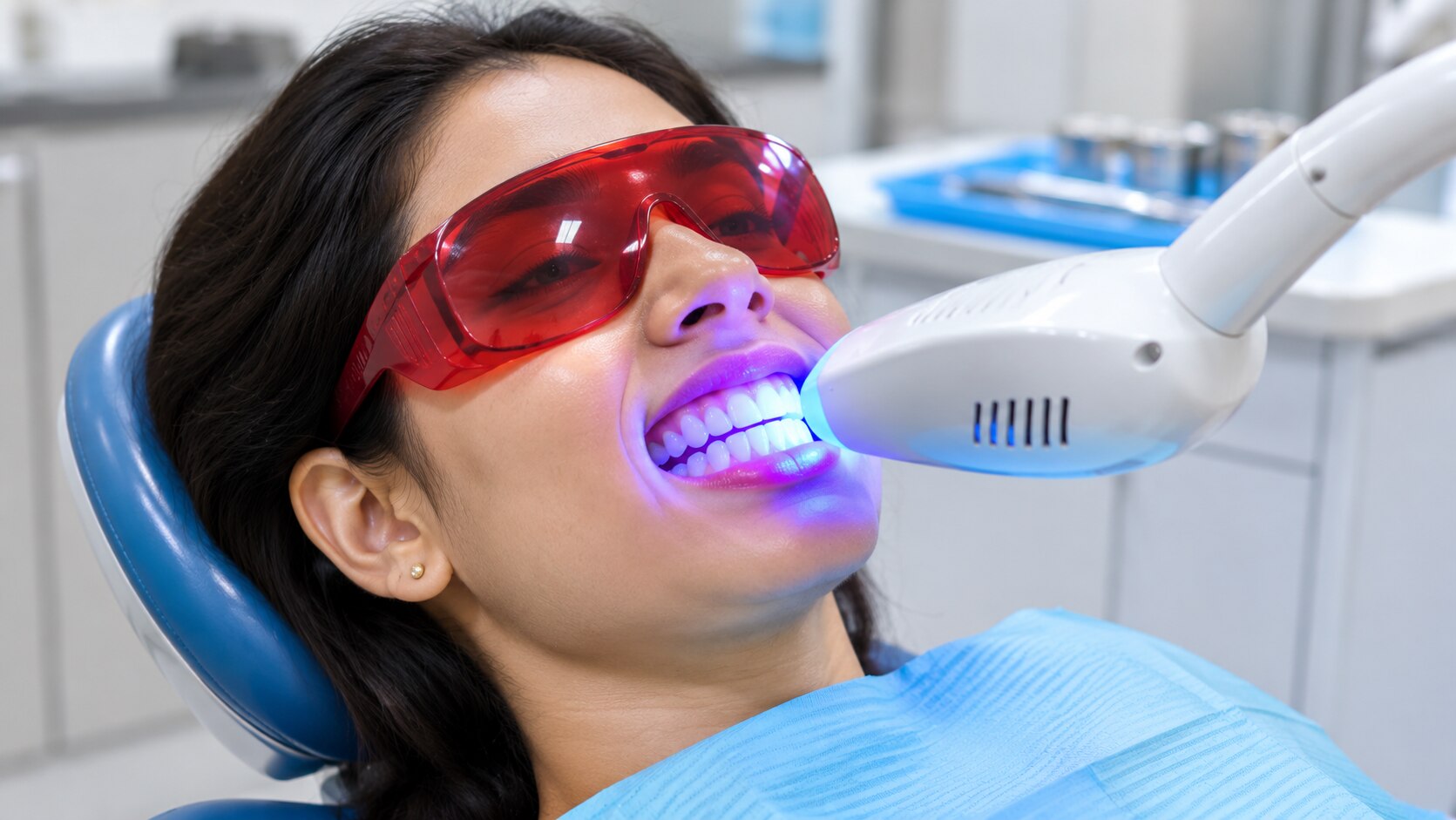
Professional whitening is not automatically gentler than an over-the-counter product. In-office systems often use a higher peroxide concentration, so they whiten faster but can cause more immediate sensitivity.
| Option | Main advantage | Main limitation for sensitive teeth |
|---|---|---|
| In-office whitening | Examination, gum isolation, controlled dosing, and the ability to stop or alter the session | Higher peroxide concentration can trigger stronger, immediate sensitivity |
| Dentist-provided custom trays | Even gel contact and adjustable, repeatable dosing at home | Slower than one intensive session; excess gel can still irritate gums |
| Whitening strips | Convenient, premeasured applications | Concentration and coverage vary; strips may miss areas or touch the gums |
| Paint-on gels | Targeted application without a tray | Gel strength, coverage and contact time vary, making exposure less predictable |
| Whitening toothpaste | Removes surface stains from food, drinks and tobacco | Usually does not produce the same bleaching effect as peroxide whitening |
Poorly fitting trays can spread peroxide onto the gums, increasing irritation. Professional whitening for sensitive teeth adds supervision, not a guarantee of comfort: the dentist can examine your teeth, isolate the gums, adjust the dose, shorten the session or stop it when symptoms appear.
A lower concentration, shorter application, fewer sessions or alternate-day use usually means slower whitening but gives you more control over repeat exposure. A custom-tray approach may therefore suit someone who prefers gradual treatment over one high-dose appointment.
How to decide whether whitening is the right next step
Book whitening only after you know why your teeth are sensitive and how the proposed treatment will be controlled. Use this checklist at the consultation:
1. Request an examination for decay, cracks, gum recession, enamel erosion, exposed roots and defective or leaking fillings. Ask what must be treated before bleaching.
2. Ask which peroxide will be used: hydrogen peroxide or carbamide peroxide, and at what concentration.
3. Confirm the planned gel contact time and the number of applications. More exposure can whiten faster but can also trigger more discomfort.
4. Ask whether potassium nitrate, fluoride, a shorter session, treatment pauses or a custom tray that keeps gel off your gums could reduce sensitivity.
5. Agree on a stop plan. Know which symptoms mean the session ends and when you should contact the dentist, especially for severe, localised or persistent pain.
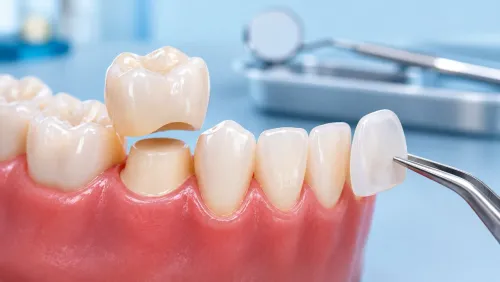
Crowns, bridges, veneers, fillings and implant crowns do not change colour with whitening. Bleaching before replacing a visible restoration can leave it darker or lighter than the surrounding teeth, so select the restoration after your natural teeth reach their final shade.
At Dr Pooja Dental & Implant Centre in Delhi, someone seeking a sensitive teeth whitening dentist in Delhi can discuss this screening and a modified protocol. That consultation may conclude that whitening should wait or that restorative or gum treatment comes first.
Related service
Teeth Whitening Light up every room with a dazzling smile! At Dr. Pooja Dental & Implant Centre, we offer professional Teeth Whitening treatments that go far beyond... View service → |
Frequently asked questions
When should you postpone whitening for sensitive teeth?
Postpone bleaching until a dentist treats the cause when sensitivity comes from cavities, cracked teeth, leaking fillings, exposed dentine, gum recession, enamel wear, or erosion.
What does a dentist check before using whitening gel?
A dentist checks for decay, cracks, leaking fillings, worn or eroded enamel, gum recession, exposed dentine, and other causes of sensitivity before applying peroxide gel.
How can professional whitening reduce sensitivity?
A dentist can adjust peroxide strength, limit contact time, protect the gums, space sessions, and recommend desensitising care to reduce discomfort.
How does professional whitening compare with strips, toothpaste, and home trays?
Professional treatment offers clinical assessment and controlled gel use, while strips, whitening toothpaste, and home trays differ in peroxide exposure, fit, duration, and supervision.
Keywords