Sensitivity, gum tenderness, a changed bite and food restrictions can make the first days after cosmetic treatment uncertain, especially when several procedures were performed together. By following a time-based routine and adjusting it for your restoration, you can protect the result, keep your gums healthy and recognise problems that need prompt dental care.
Key takeaways
- Wait for sensation to return before chewing after local anaesthetic.
- Choose soft, lukewarm foods during the first day.
- Use treatment-specific cleaning methods for veneers, implants, braces or aligners.
- Contact your dentist for persistent pain, swelling, looseness or damage.
What to do during the first 24 hours and first week
Do not chew until feeling returns after local anaesthetic. Numb lips, cheeks and tongues are easy to bite, while hot food or drinks can burn you without warning. Once sensation is normal, choose soft, lukewarm foods, drink water, and follow the prescribed pain-relief and cleaning instructions.
For the first 24 hours:
- Avoid hard, sticky, very hot, very cold and acidic foods. Do not bite pens, nails, ice or packaging.
- Use a cold compress outside swollen areas for short intervals, if your clinician recommends it.
- Brush gently around treated areas; do not scrub tender gums or disturb surgical sites.
- Wear aligners or retainers only as instructed, and do not stop retainer use because teeth look straight.
Smile makeover recovery differs by procedure:
| Treatment | Normal first-week experience | Practical response |
|---|---|---|
| Whitening | Brief sensitivity or gum irritation | Follow the stated concentration and wear time; do not extend treatment |
| Bonding, veneers or crowns | Tender gums, sensitivity or an unfamiliar bite | Choose softer foods and report a restoration that feels loose or high |
| Gum contouring or implants | Soreness, swelling and restricted chewing | Follow surgical instructions and keep the area clean as directed |
| Braces or aligners | Pressure, mild speech changes and cheek tenderness | Use the prescribed schedule and retainers after active treatment |
| Teeth jewellery | Little or no downtime | Avoid picking at it or chewing hard foods nearby |
Mild tenderness, sensitivity, swelling or bite awareness should gradually improve during the week. Contact a dentist promptly for worsening pain, fever, pus, facial swelling, a crack, sharp edge, loose restoration or bleeding that will not stop. Swelling with difficulty breathing or swallowing is an emergency.
Adjust aftercare to the treatment you received
Aftercare changes with the material, the treated tissue and the risk of damage. Use this treatment-specific guide, then follow the written instructions from your dentist.
| Treatment | Main aftercare | What can go wrong |
|---|---|---|
| Veneers | Brush and clean between teeth normally; use a night guard if grinding is diagnosed. Do not bite pens, ice or hard shells with veneered teeth. | Chipping, debonding or gum inflammation around the margins. |
| Crowns | Avoid sticky or hard foods until permanent cement has set, especially if you have a temporary crown. Report a crown that feels high when you bite. | Dislodgement, pain from an altered bite or decay at the edge. |
| Composite bonding | Limit coffee, tea, tobacco and red wine, and avoid biting nails or hard objects. Keep regular hygiene appointments. | Composite stains, wears or chips more readily than ceramic, although repairs are usually straightforward. |
| Whitening | Use only the prescribed concentration and wear time. Stop extending sessions if sensitivity or gum irritation develops. | Excess treatment increases discomfort and will not whiten porcelain or most composite, creating a colour mismatch. |
| Gum contouring | Follow the cleaning, rinsing and diet instructions given for the healing gum; avoid smoking while tissue recovers. | Bleeding, swelling or delayed healing needs dental advice. |
| Teeth jewellery | Clean carefully around the attachment and never twist, pick or glue it yourself. Avoid hard foods that can catch it. | Plaque accumulation, enamel damage or loosening of the jewellery. |
Cosmetic dental treatment aftercare still includes daily brushing and interdental cleaning. A restoration covers only part of a tooth, so plaque can cause decay, gum disease or bad breath at its edges.
Build a daily cleaning and stain-control routine
Brush for two minutes twice a day with a soft-bristled brush and fluoride toothpaste. Aim the bristles at the gumline, using light pressure; aggressive scrubbing can wear exposed composite and irritate gums around veneers, crowns or implants. Avoid charcoal and highly abrasive whitening pastes unless your dentist recommends them.
Clean between every tooth once daily. Slide floss gently below the gumline and curve it around each tooth rather than snapping it downward. Use an interdental brush or water flosser where your dentist has shown you, especially around bridges, implants and orthodontic retainers.
Control exposure to stains, acid and sugar with these habits:
- Rinse with water after coffee, tea, red wine or acidic drinks; wait 30 minutes before brushing after acid exposure.
- Keep staining drinks to mealtimes and avoid tobacco, which discolours exposed composite and harms gum health.
- Cut hard foods into small pieces and do not bite ice, pens, fingernails or packaging; bonding chips more readily than ceramic restorations.
- Limit frequent sipping of sweet drinks and grazing, which feeds plaque at restoration edges.
- Wear removable retainers on the schedule your orthodontist prescribed. Teeth can shift after braces or aligners even when your smile still looks straight.
This routine explains how to maintain a smile makeover over the long term: clean the natural tooth, gumline and restoration margin, not just the visible cosmetic surface. Ask for a review if brushing causes bleeding that persists, or if a restoration feels loose, sharp or newly sensitive.
Protect implants, braces and aligner results
Implants need the same daily cleaning as natural teeth, plus careful attention to the gum around the implant. Use a soft toothbrush and interdental brush or water flosser as directed, and attend reviews so the dentist can check bone support, gum inflammation and the implant crown.
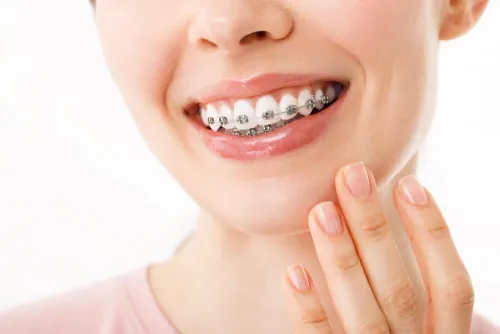
- Braces: brush around every bracket and under the wire, use an interdental brush, follow elastic instructions, and avoid popcorn, ice, hard sweets and sticky foods that can break brackets or bend wires.
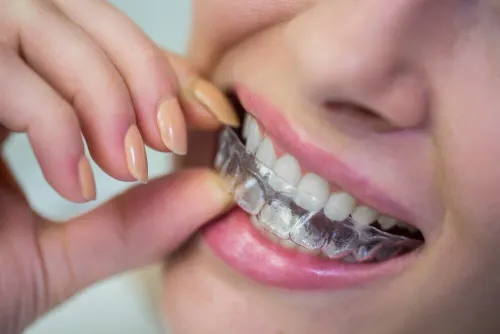
- Aligners: wear them for the prescribed hours, remove them for anything except plain water, rinse before reinserting, and clean them with cool or lukewarm water. Hot water can distort the plastic.
- After braces or aligners: wear the retainer on the orthodontist’s schedule. Teeth can shift after treatment, and stopping because they look straight can cause relapse.
- Implants: do not chew hard foods on a new implant until your dentist confirms that loading is safe.
Clenching and grinding can chip veneers, bonding, crowns and natural teeth, while a bite change can loosen restorations. Ask for a professionally assessed night guard when bruxism threatens your result; a generic guard can fit poorly and interfere with your bite.
Make smile makeover aftercare appointments when advised for your gum health, implant status, orthodontic needs and grinding habits. Arrange prompt assessment for a loose restoration, crack, sharp edge, worsening pain, swelling, fever or pus; swelling with difficulty breathing or swallowing is an emergency.
Know when routine maintenance is not enough
A loose restoration, new crack or sharp edge is not a cosmetic nuisance; it needs dental assessment. Persistent or worsening pain, facial swelling, fever, pus, or bleeding that will not stop also needs prompt attention. Swelling with difficulty breathing or swallowing is an emergency: call emergency services or go to an emergency department.
| Sign | Response | Timing |
|---|---|---|
| Loose veneer, crown or bonding; new crack or sharp edge | Stop biting on that tooth and contact your dentist | Prompt appointment |
| Worsening pain, high sensitivity, altered bite, swelling, fever or pus | Request an urgent dental assessment | Same day or as advised |
| Bleeding that will not stop after firm gauze pressure | Seek urgent assessment; use emergency care if heavy | Immediately |
| Facial swelling with difficulty swallowing or breathing | Go to emergency care | Immediately |
For smile makeover aftercare Dwarka planning, book the review recommended for your specific procedure rather than relying on symptoms. Whitening and bonding reviews differ from gum reshaping, crowns, orthodontics or implant surgery, which need healing checks; retainers also need ongoing review after alignment.
Dr Pooja Dental & Implant Centre can assess whether a chipped restoration, bite change or implant concern needs repair, adjustment or referral.
- Keep the clinic’s number and your treatment record accessible.
- Ask how soon to return, which symptoms to report, and whom to contact after hours.
- Do not glue a loose restoration back or delay care because pain temporarily improves.
Related services
Smile makeover A Smile Makeover is the ultimate blend of art and science. At Dr. View service → |
Crowns & Veneers Restore the beauty and strength of your smile with custom-crafted Crowns and Veneers at Dr. Pooja Dental & Implant Centre. View service → |
Frequently asked questions
What should I do during the first 24 hours after cosmetic dental treatment?
Do not chew until feeling returns after local anaesthetic. Then choose soft, lukewarm foods, drink water and follow your prescribed pain-relief and cleaning instructions.
How does aftercare differ between cosmetic dental treatments?
Follow treatment-specific instructions: veneers and bonding need careful biting habits, implants need surgical-site care, braces need cleaning around brackets, and aligners need regular wear and cleaning.
How can I keep my smile makeover clean and reduce staining?
Brush twice daily with a soft-bristled toothbrush, clean between teeth every day, rinse with water after staining drinks and attend recommended professional maintenance visits.
When should I contact my dentist after cosmetic treatment?
Contact your dentist for persistent or worsening pain, swelling, bleeding, sensitivity, a loose restoration, a damaged appliance or an implant that feels mobile.
Related services
Teeth Whitening Light up every room with a dazzling smile! At Dr. Pooja Dental & Implant Centre, we offer professional Teeth Whitening treatments that go far beyond... View service → |
Dental Implants Replace your missing teeth with the next best thing to nature! At Dr. View service → |
Full Mouth Rehabilitation A Full Mouth Rehabilitation (FMR) is one of the most comprehensive and transformative treatments we offer at Dr. Pooja Dental & Implant Centre. View service → |
Teeth Jewellery Add a touch of sparkle to your smile! At Dr. Pooja Dental & Implant Centre, we offer Teeth Jewellery—a trendy, painless, and non-invasive way to... View service → |
Keywords