Dental emergencies can happen without warning. A sudden toothache, a broken tooth during a meal, or a sports-related injury can cause pain and anxiety. Knowing how to respond before reaching a clinic can protect your teeth and improve the chances of successful treatment. If you need emergency dental care in Dwarka, taking the right first steps can make a significant difference.
Not every dental problem requires immediate treatment, but certain situations should never be ignored.
What Is Considered a Dental Emergency?
Some dental issues can safely wait for a scheduled appointment, while others require urgent professional attention.
Common dental emergencies include:
- Severe toothache that does not improve
- Knocked-out permanent tooth
- Broken or fractured tooth
- Swelling of the gums or face
- Dental abscess
- Bleeding after an injury that does not stop
- Lost crown or filling causing severe pain
- Injury to the lips, tongue, or gums
Recognizing these situations early helps prevent further damage.
Managing a Severe Toothache
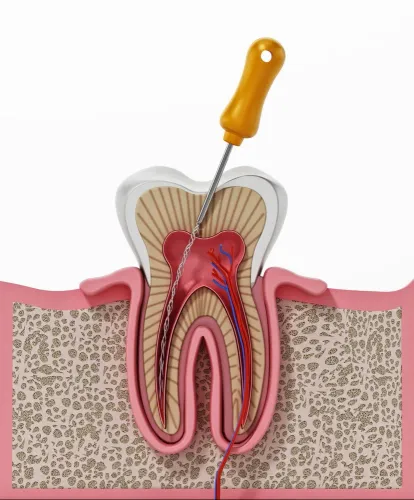
A persistent toothache often indicates an underlying problem such as tooth decay, infection, or nerve inflammation.
Before visiting the dentist:
- Rinse your mouth with warm water.
- Gently floss around the painful tooth to remove trapped food.
- Avoid placing aspirin directly on the gums.
- Use a cold compress if swelling is present.
- Take pain medication only as directed.
Do not ignore prolonged pain, as the underlying infection may worsen.
What to Do If a Tooth Gets Knocked Out
A knocked-out permanent tooth requires immediate action.
If possible:
- Hold the tooth by the crown, not the root.
- Rinse it gently with clean water if dirty.
- Do not scrub or remove attached tissue.
- Try placing the tooth back into its socket if possible.
- If that isn't possible, keep it in milk or a tooth preservation solution.
- Visit a dentist immediately.
Quick action significantly increases the possibility of saving the tooth.
Handling a Broken Tooth
A chipped or fractured tooth may expose sensitive inner layers.
Until you receive treatment:
- Rinse with warm water.
- Save any broken pieces if available.
- Apply a cold compress to reduce swelling.
- Avoid chewing on the affected side.
- Cover sharp edges with dental wax if recommended.
Prompt evaluation helps prevent infection and further fracture.
Swelling Should Never Be Ignored
Facial swelling may indicate a serious dental infection.
Symptoms may include:
- Severe pain
- Fever
- Difficulty swallowing
- Swollen gums
- Pus drainage
These situations require immediate professional assessment because untreated infections can spread beyond the mouth.
Lost Fillings and Crowns
Although losing a filling or crown is not always life-threatening, delaying treatment can expose the tooth to additional damage.
Until your appointment:
- Avoid chewing on the affected side.
- Keep the area clean.
- Save the crown if it has fallen out.
- Avoid using household adhesives to reattach it.
Your dentist will determine whether the restoration can be replaced or repaired.
Preventing Future Dental Emergencies
While accidents cannot always be avoided, many emergencies are preventable.
Helpful preventive measures include:
- Wearing a mouthguard during sports
- Avoiding chewing ice or very hard objects
- Maintaining regular dental check-ups
- Treating cavities before they become severe
- Following good oral hygiene practices
Preventive care reduces the likelihood of sudden dental problems.
When Immediate Care Makes the Difference
Some dental conditions worsen rapidly if treatment is delayed. Seeking professional care promptly improves the chances of saving natural teeth and minimizing complications.
For patients requiring emergency dental care in Dwarka, Dr Pooja Dental and Implant Centre provides prompt assessment and appropriate treatment for urgent dental concerns, helping patients receive timely care when unexpected problems arise.
Dental emergencies can be stressful, but knowing how to respond calmly before reaching the clinic can protect your oral health. Quick action combined with professional treatment often leads to better recovery and helps preserve your natural smile.
Keywords